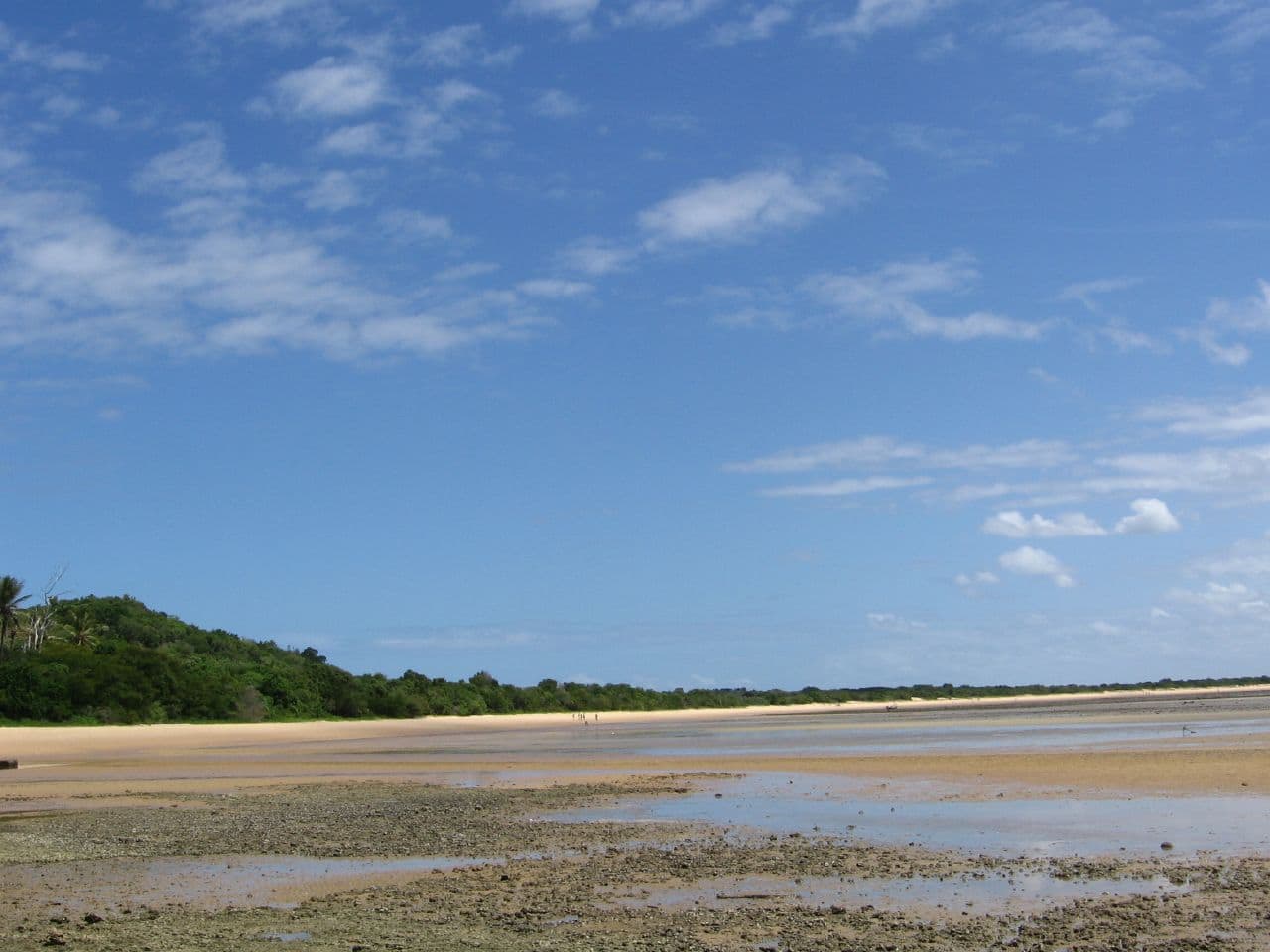
The reef is alive
Never stand on, touch or collect coral. Keep fins clear of the reef, use reef-safe sunscreen or a rash vest, and choose operators who brief properly and don't chase or crowd animals.
Responsible Tourism
Mozambique's coral, its wildlife and the communities living alongside them are under real pressure. How you travel makes a measurable difference.
Much of what makes this country extraordinary is also fragile: coral reefs that bleach in warm years, dugongs and turtles that nest on a handful of beaches, and marine parks that depend on the fees visitors pay. None of the advice below requires you to travel less — only to travel deliberately.
Never stand on, touch or collect coral. Keep fins clear of the reef, use reef-safe sunscreen or a rash vest, and choose operators who brief properly and don't chase or crowd animals.
Community-run lodges, local guides, markets and family restaurants keep far more of what you spend in the place you're visiting. Ask a lodge who owns it and who works there.
Distance is respect. Don't feed animals, don't buy anything made from shell, ivory or hardwood, and report anything that looks like poaching or illegal fishing to your guide.
People are not scenery. Ask first, accept no as an answer, and don't photograph children without a parent's consent. Avoid government and military buildings entirely.
Capulanas, Makonde carvings, silverwork and basketry are living crafts. Buying directly from makers pays them properly and keeps the skill alive.
Waste collection is limited outside the cities and non-existent on many islands. Bring a refillable bottle, refuse single-use plastic where you can, and take your rubbish back with you.
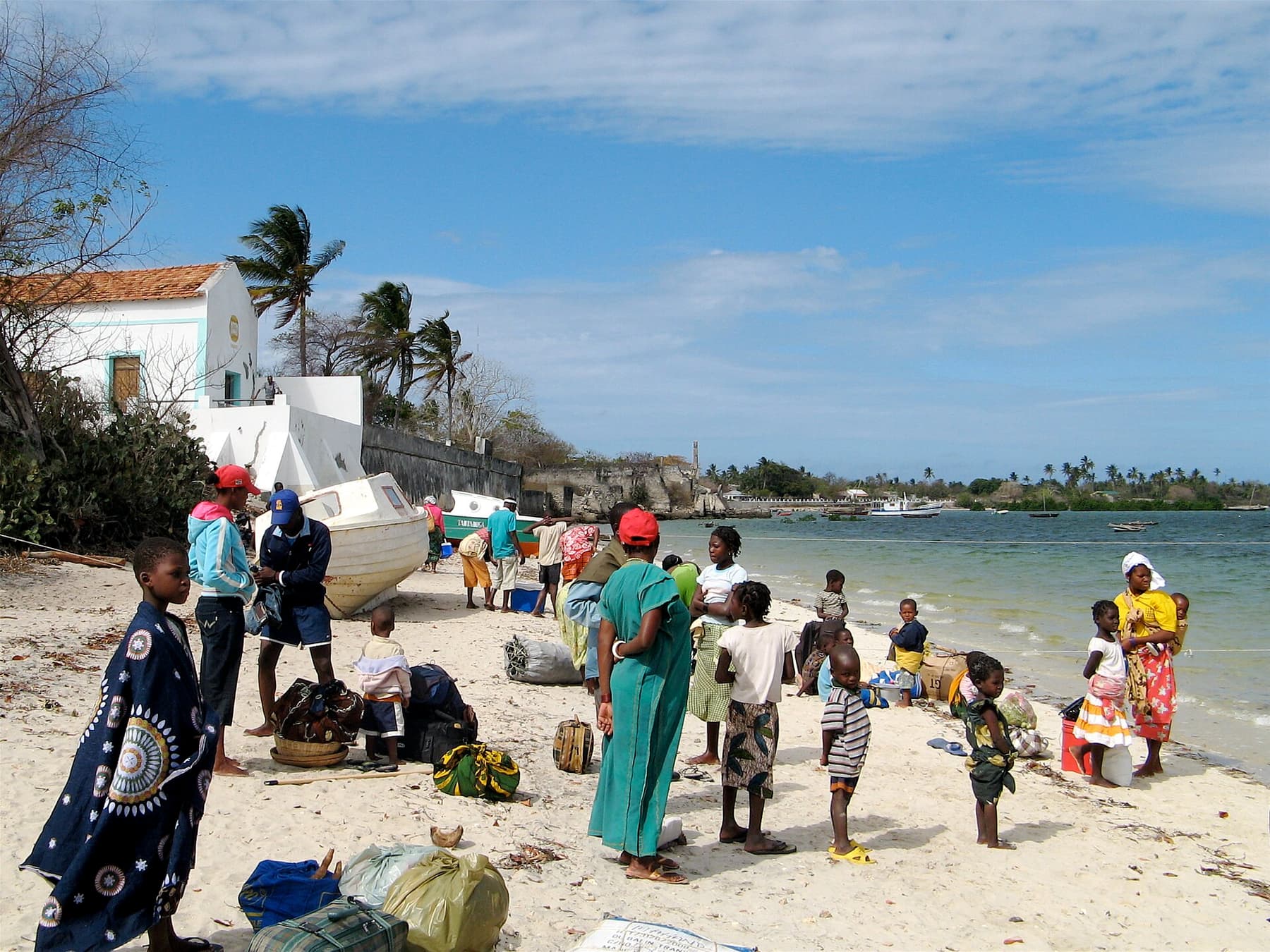
Community tourism
Community-run initiatives exist across the country — guided walks in Chimanimani, fishing and dhow trips in the Quirimbas, craft cooperatives around Nampula. They're often the most memorable day of a trip, and the money goes exactly where it should.