WELCOME TO MOZAMBIQUE
Discover an extraordinary country
Paradise beaches, wild nature, vibrant cultures, and experiences that stay with you forever.
One country. A thousand experiences.
THE COUNTRY
Where Africa meets the Indian Ocean
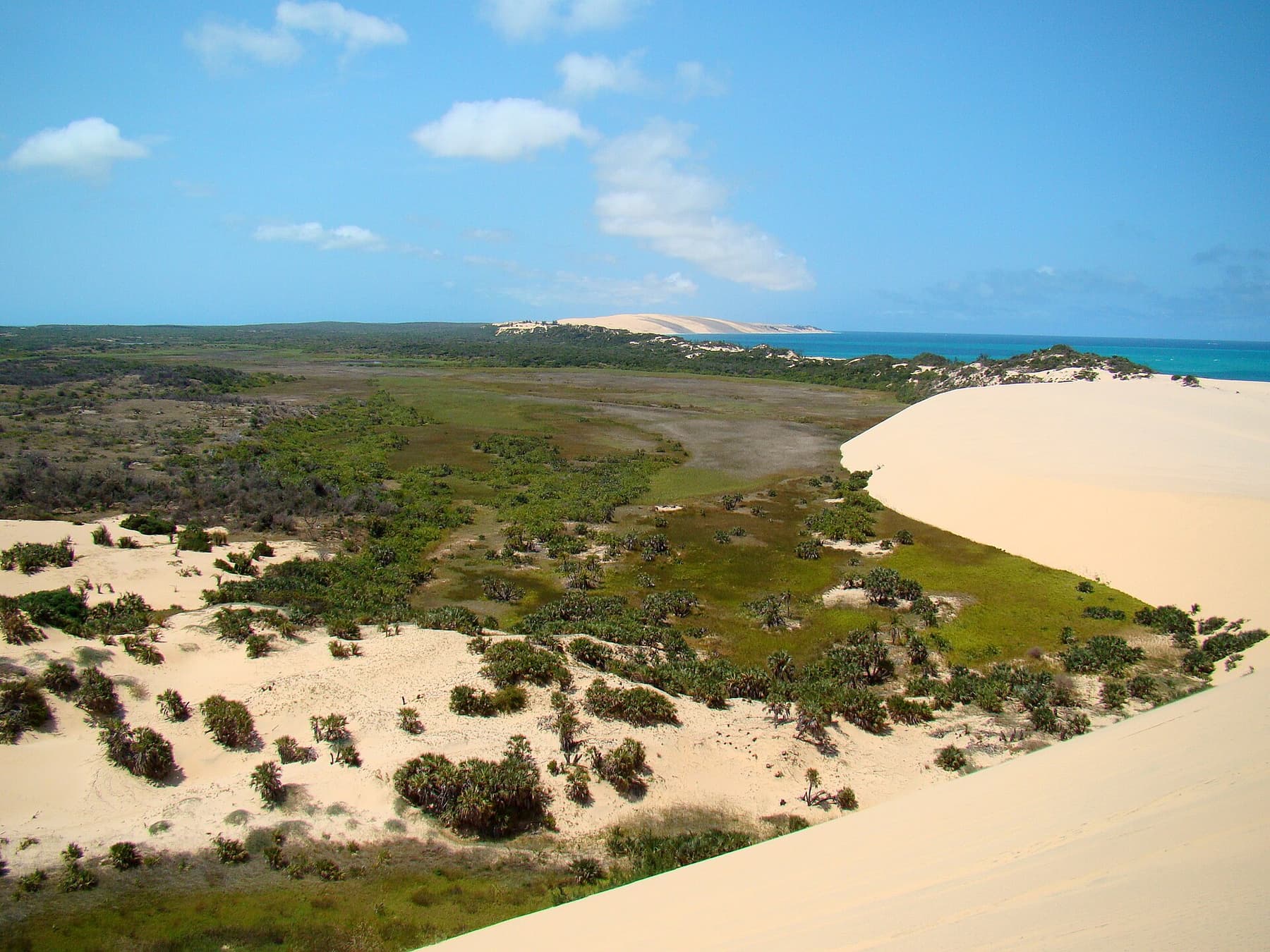
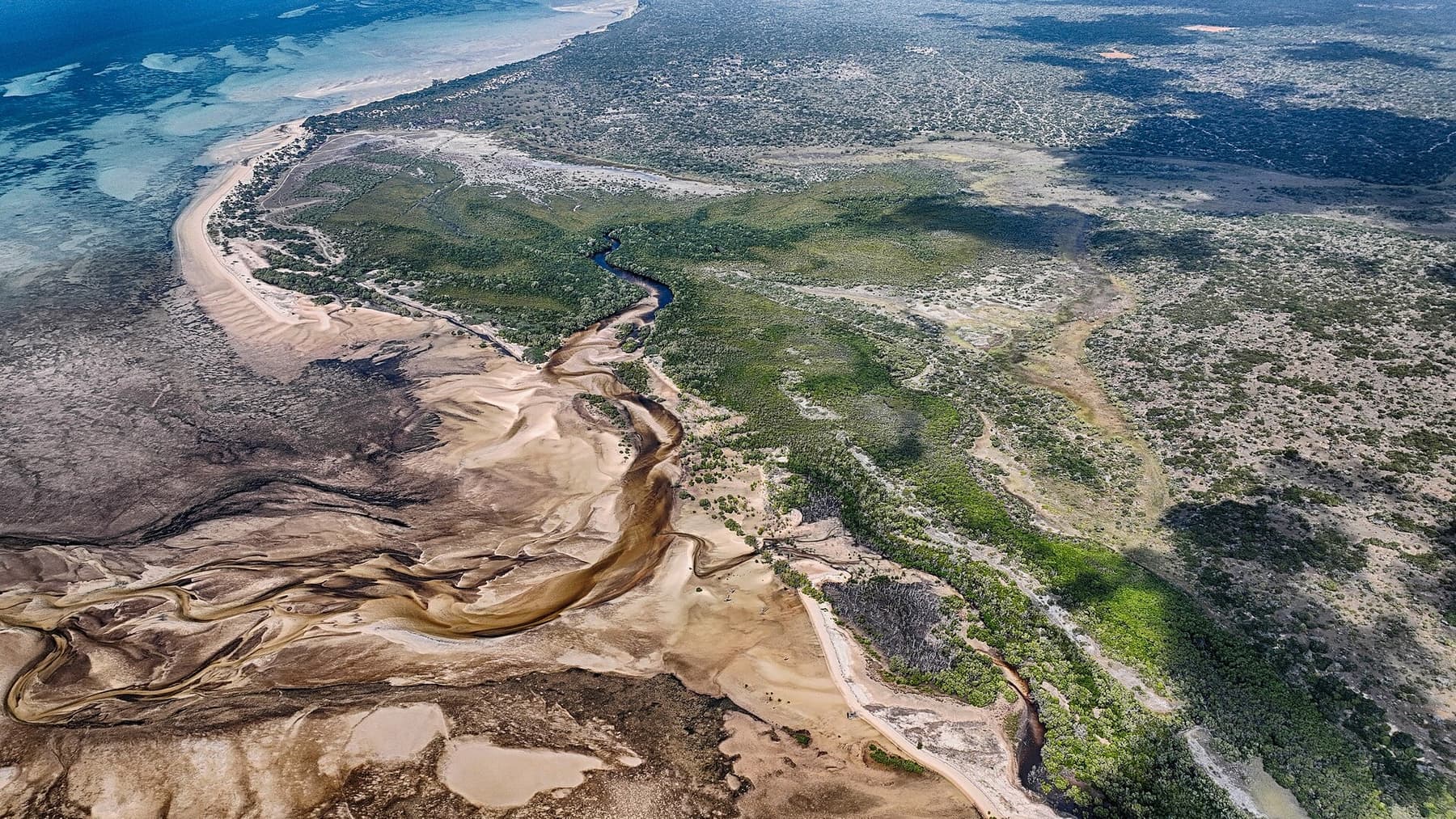
Mozambique runs for roughly 2,700 kilometres down the East African coast, from the coral islands of the Quirimbas in the far north to the dune-backed beaches of Ponta do Ouro in the south. Between them sit eleven provinces that look and feel nothing alike.
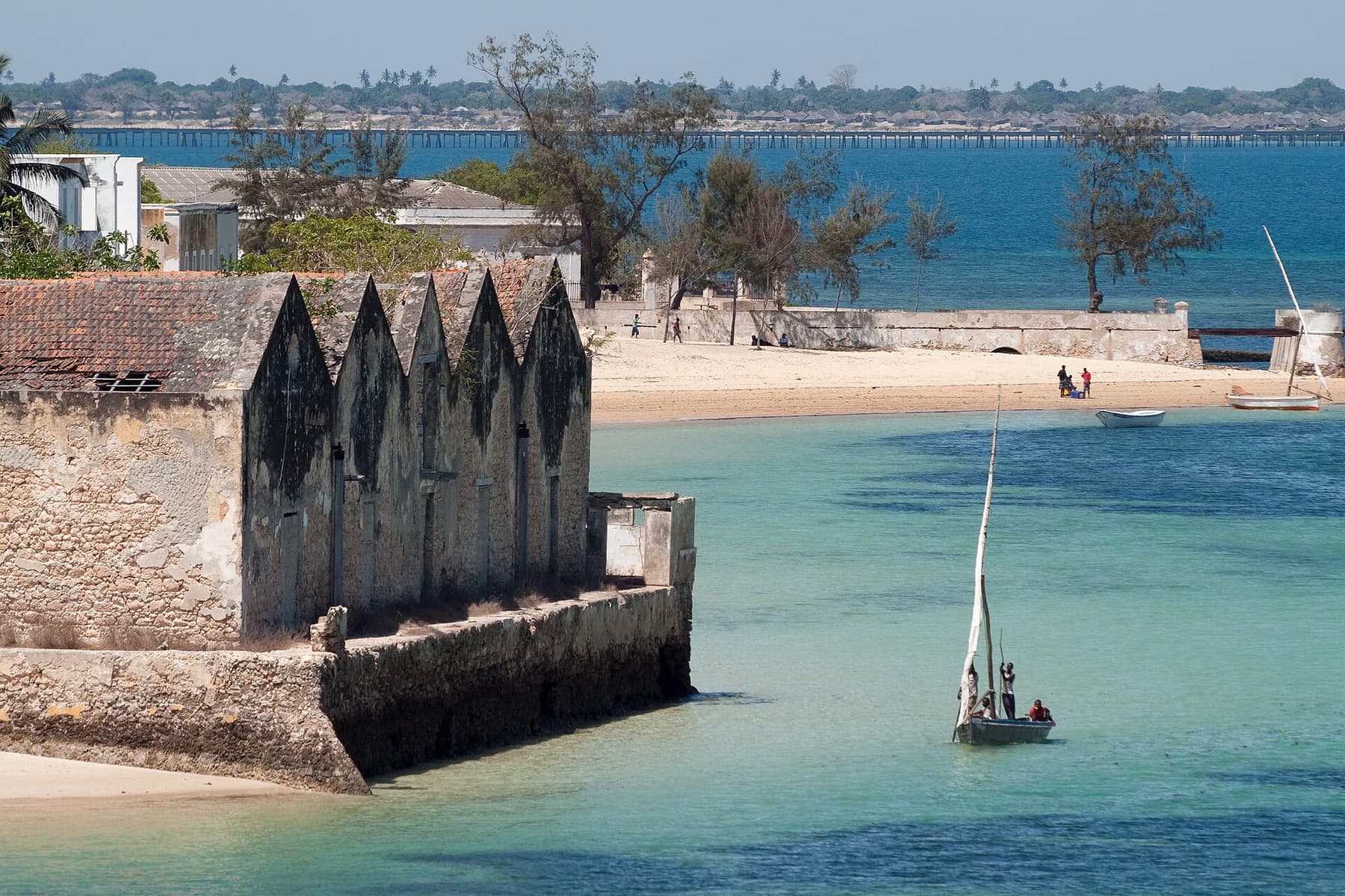
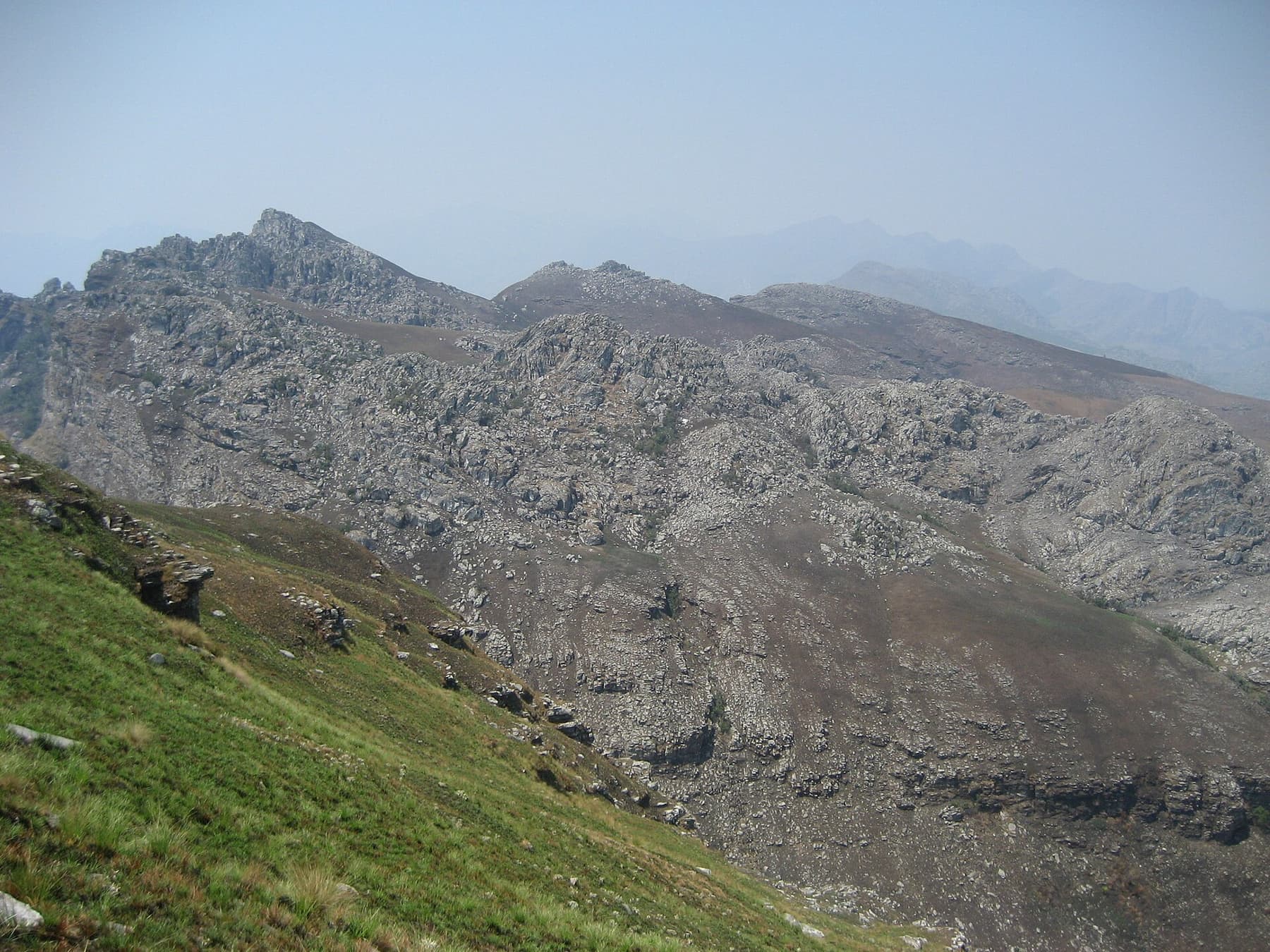
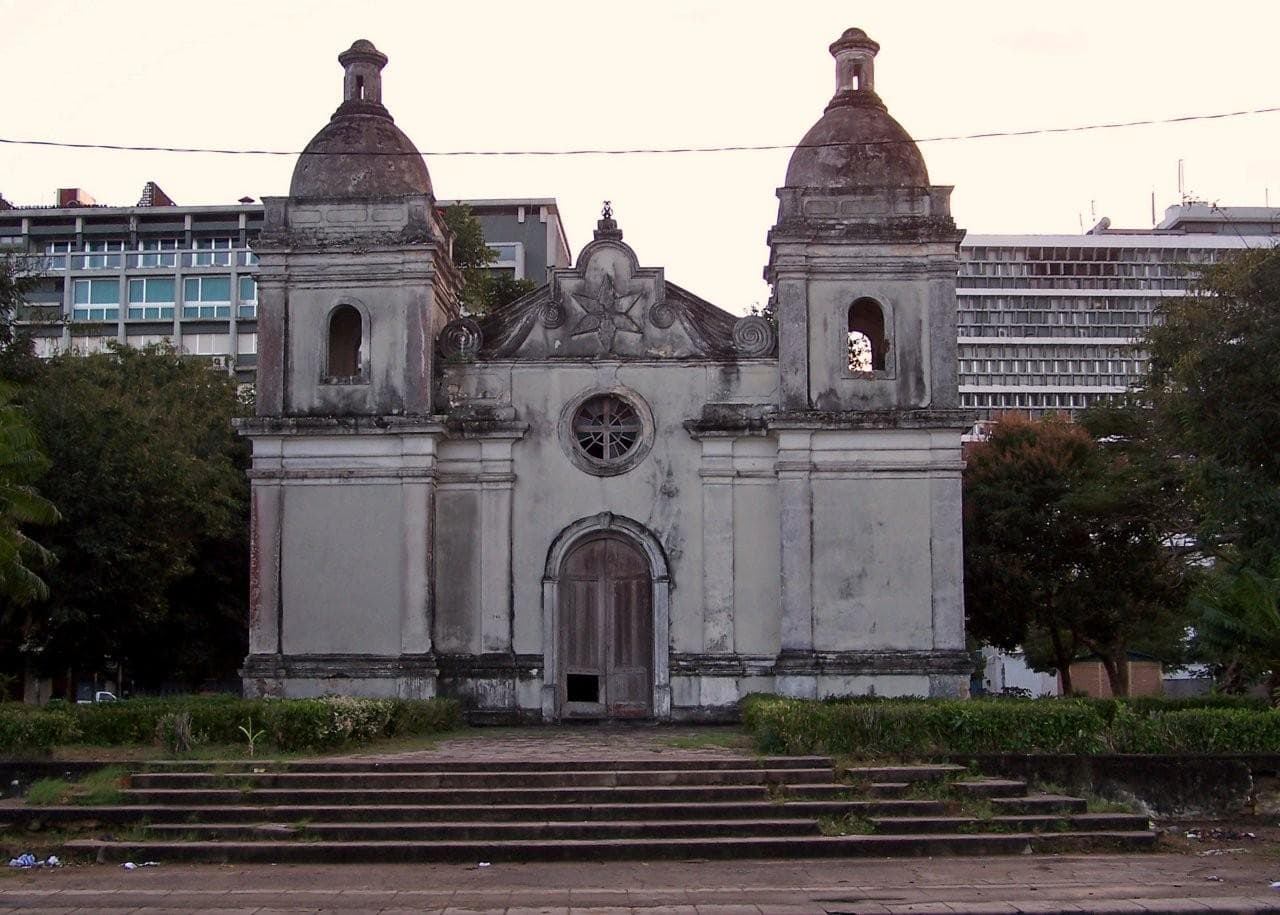
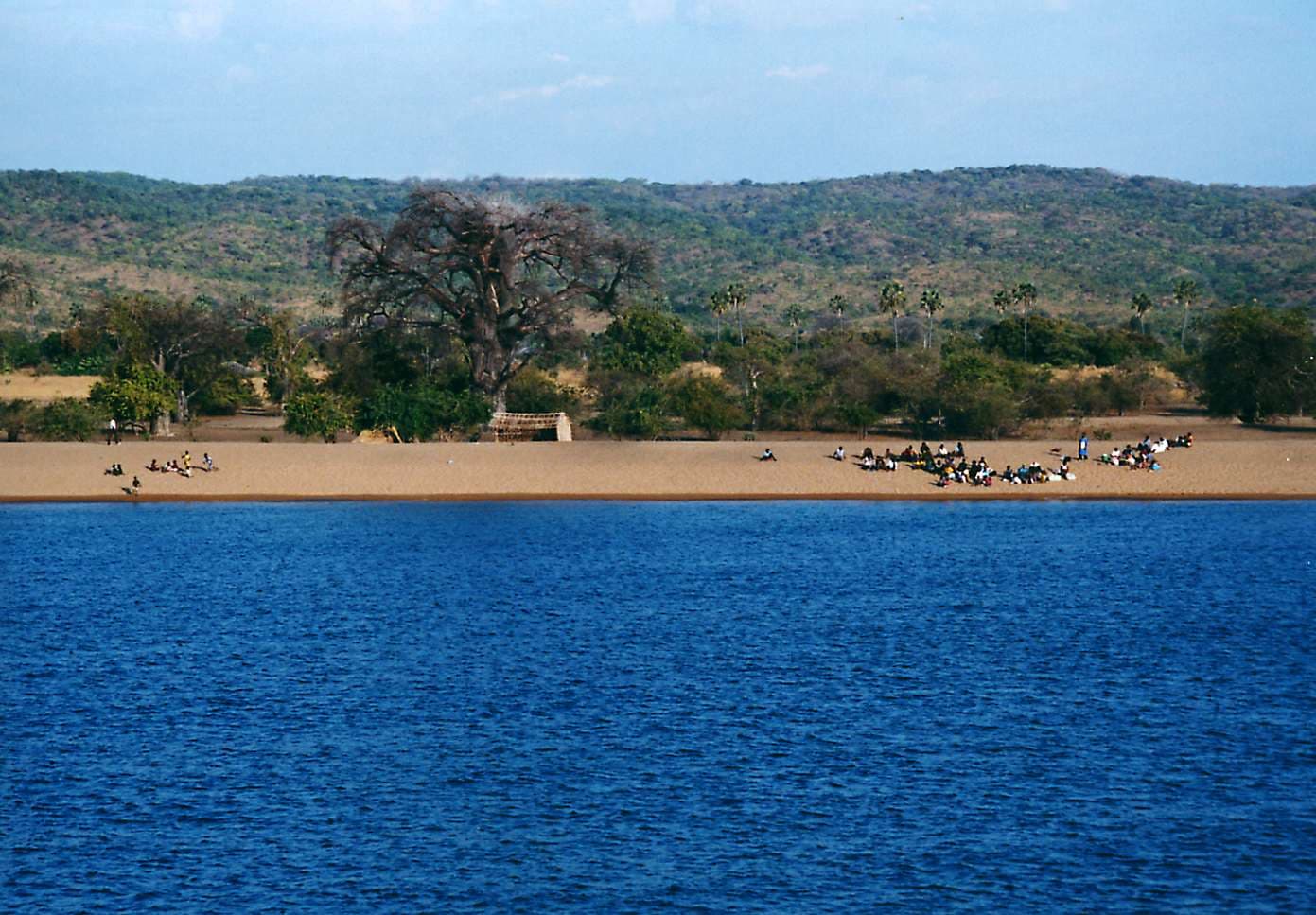
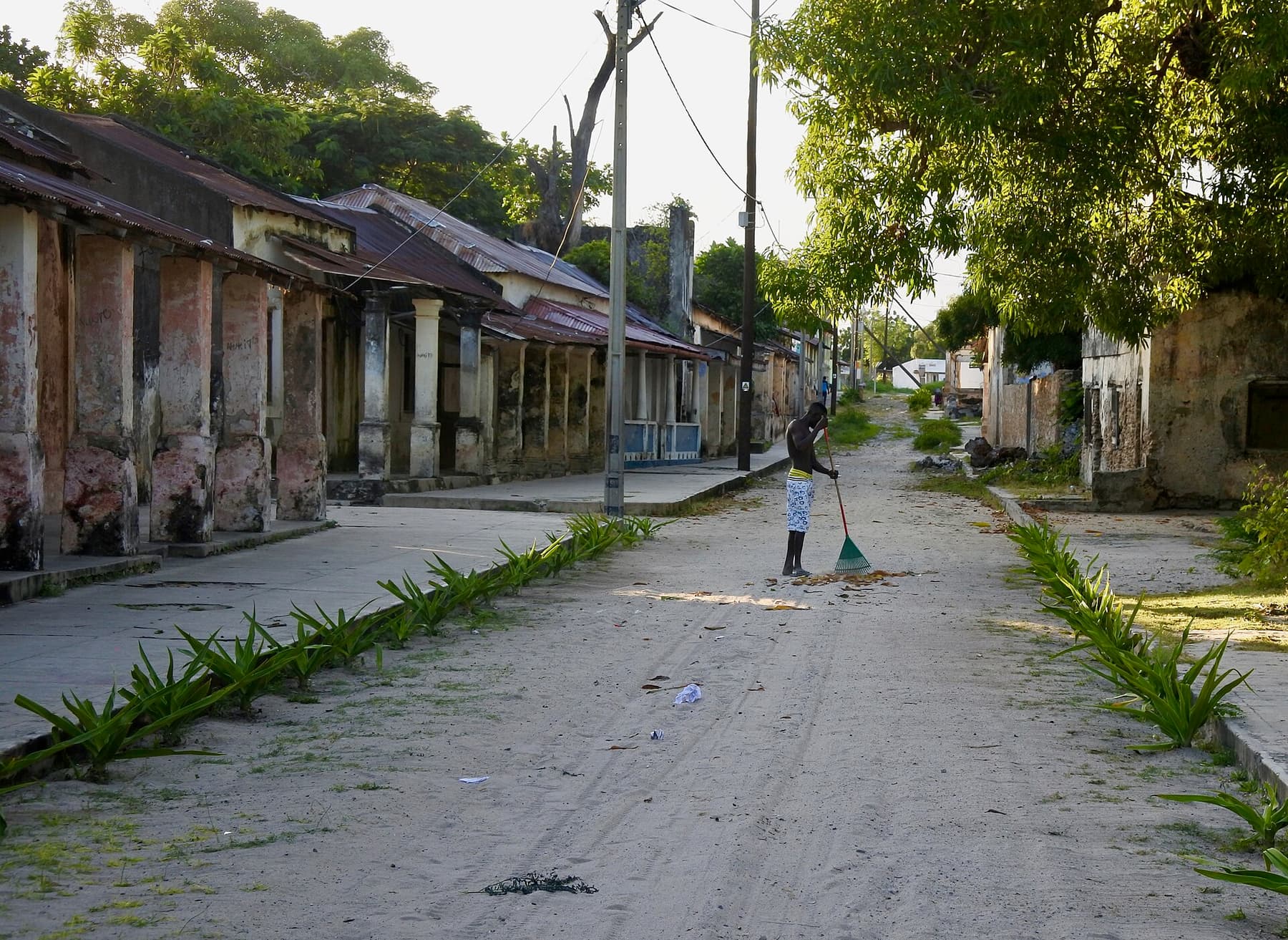
There is a UNESCO World Heritage island that was the capital of Portuguese East Africa for four centuries. There is a national park at the southern end of the Great Rift Valley that has been rebuilt, species by species, over two decades. There are mountains on the Zimbabwean border, an inland sea on the Zambezi, and a lake with more fish species than any other on earth.
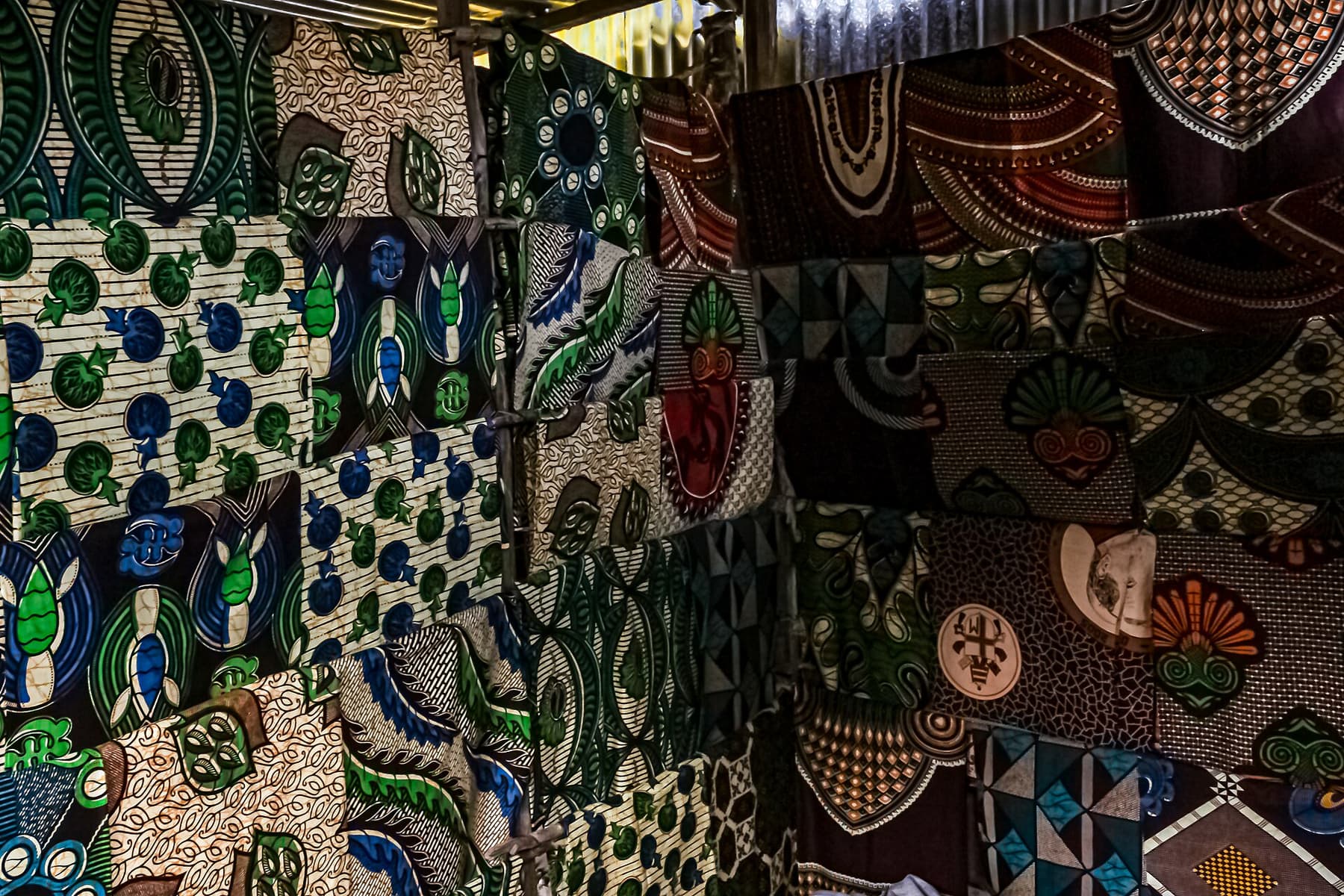
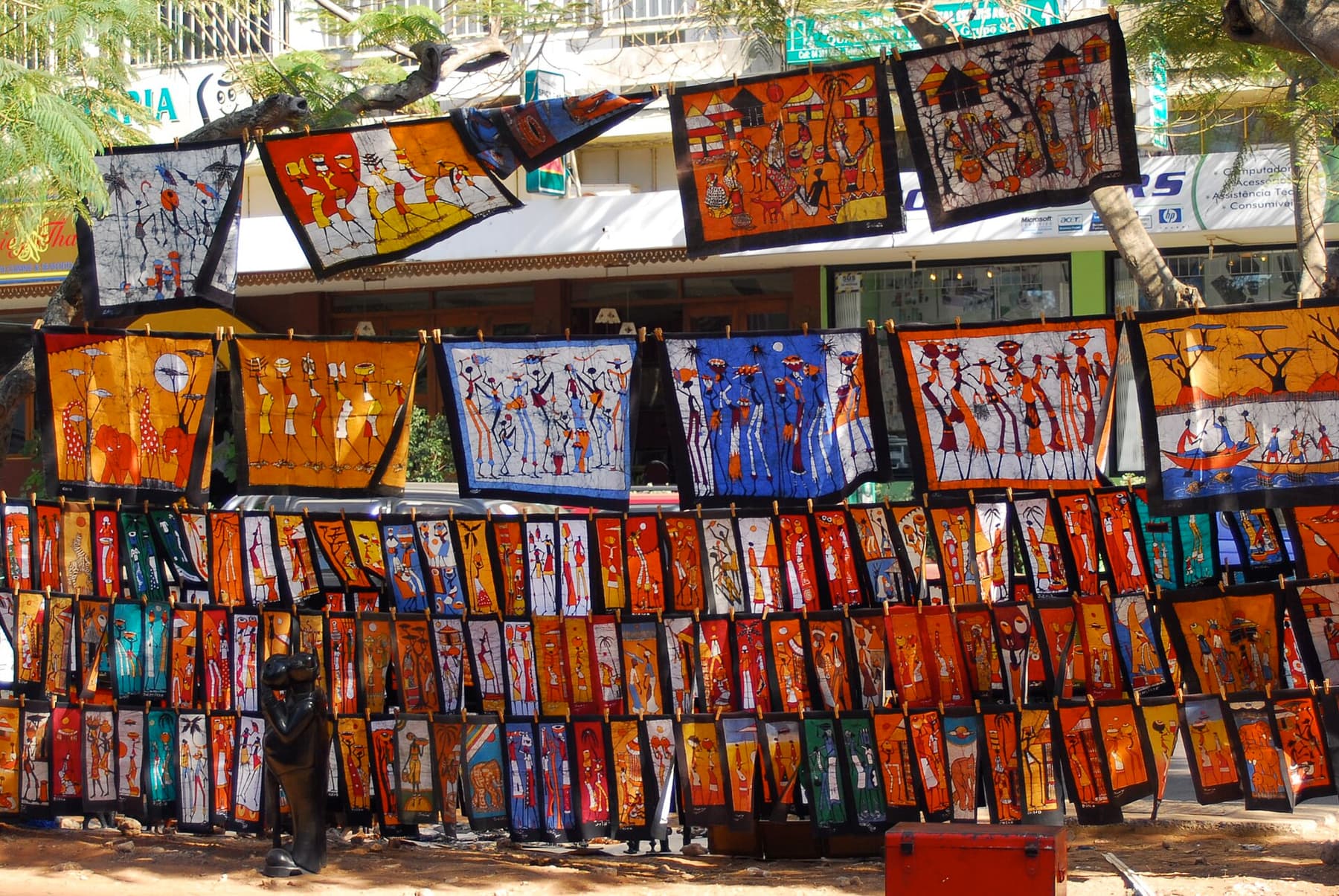
And there is the food, the music and the cloth — piri-piri and matapa, marrabenta and timbila, capulana worn by almost everyone — which is what most people end up remembering.
11
Provinces
2,700 km
Indian Ocean coast
2
UNESCO listings
16
Experiences
FEATURED
Destinations to start with
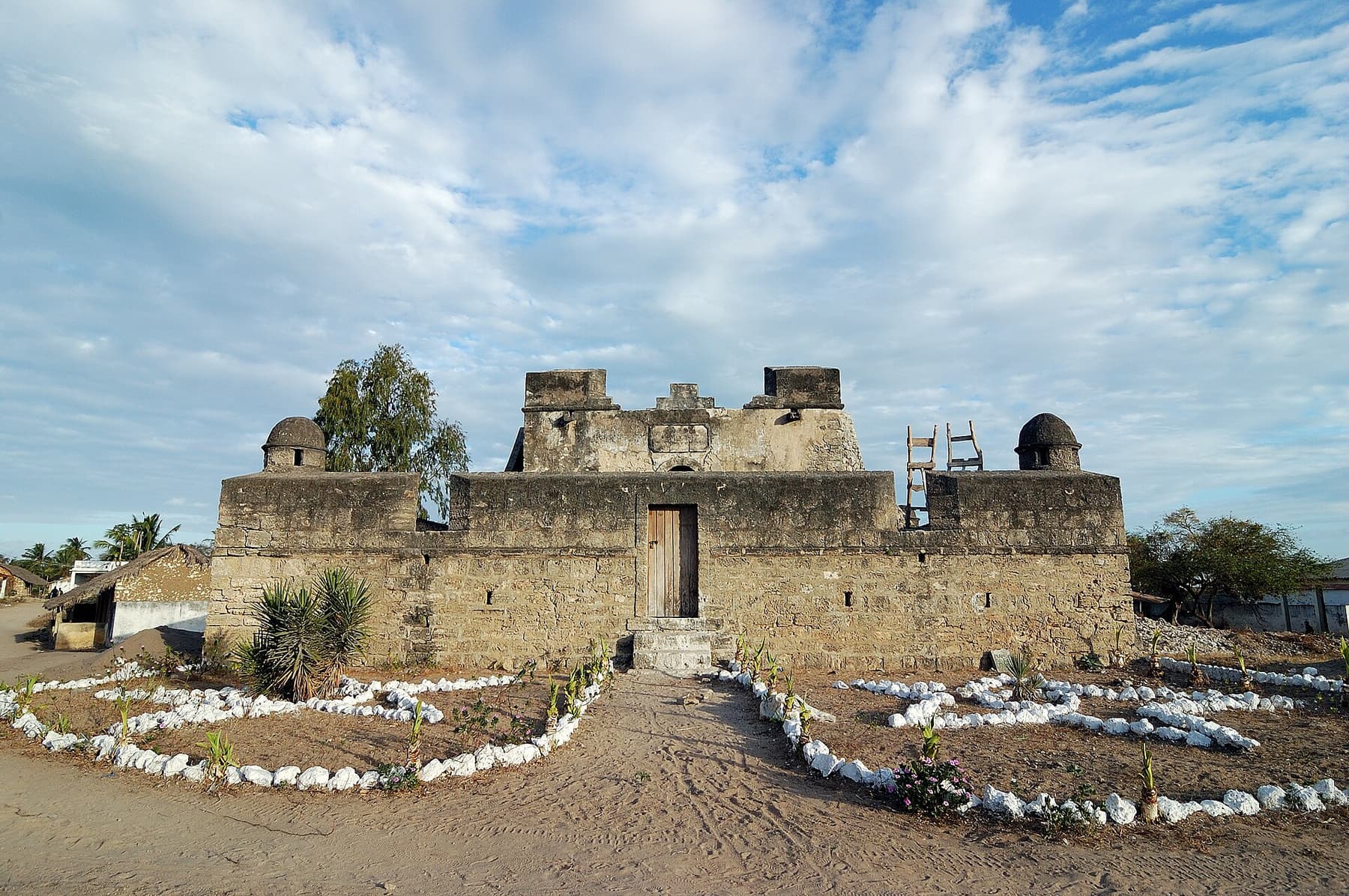
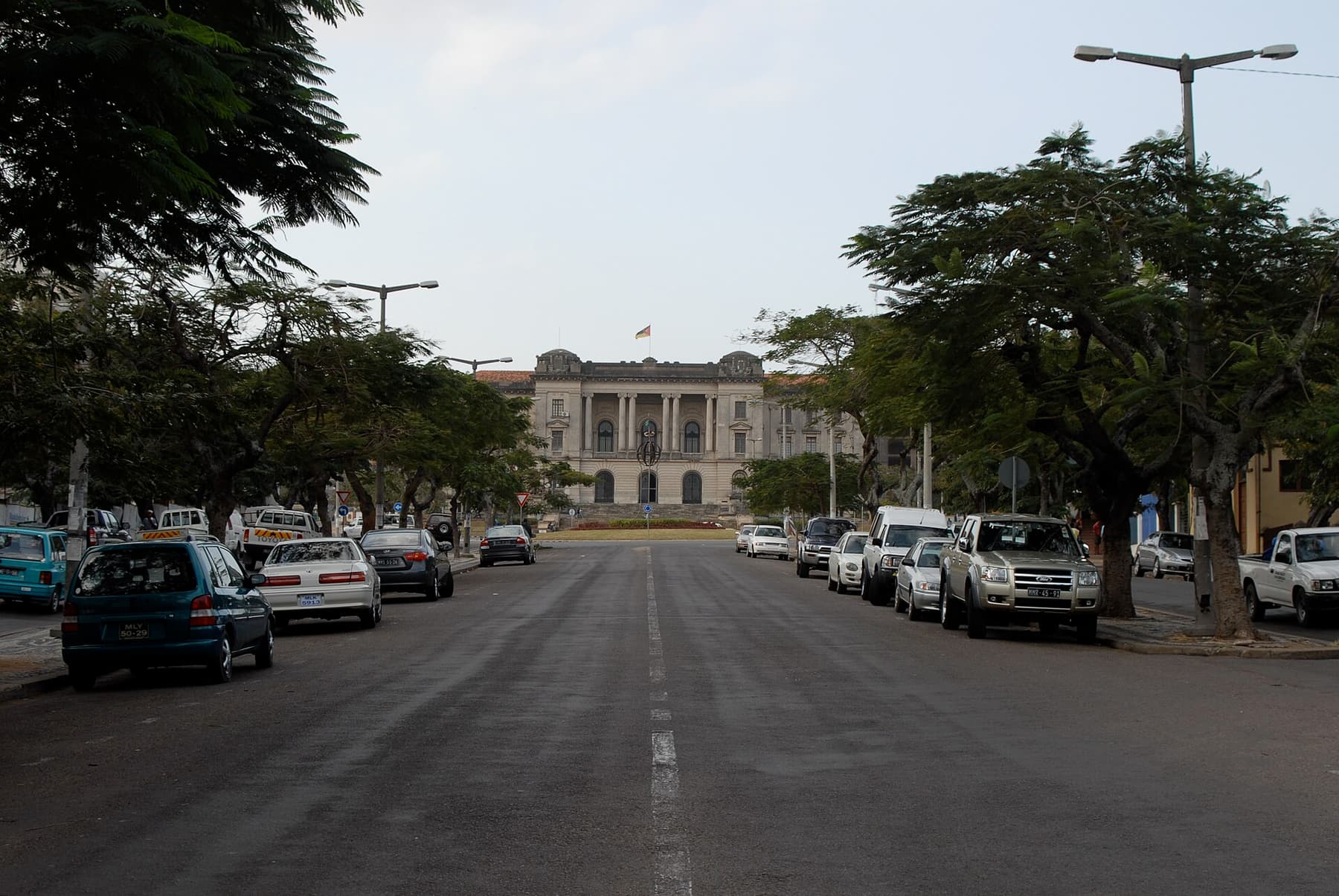
Ten places that between them cover most of what people come to Mozambique for — islands, wilderness, heritage and city life.
THE MAP
Eleven provinces, one coastline
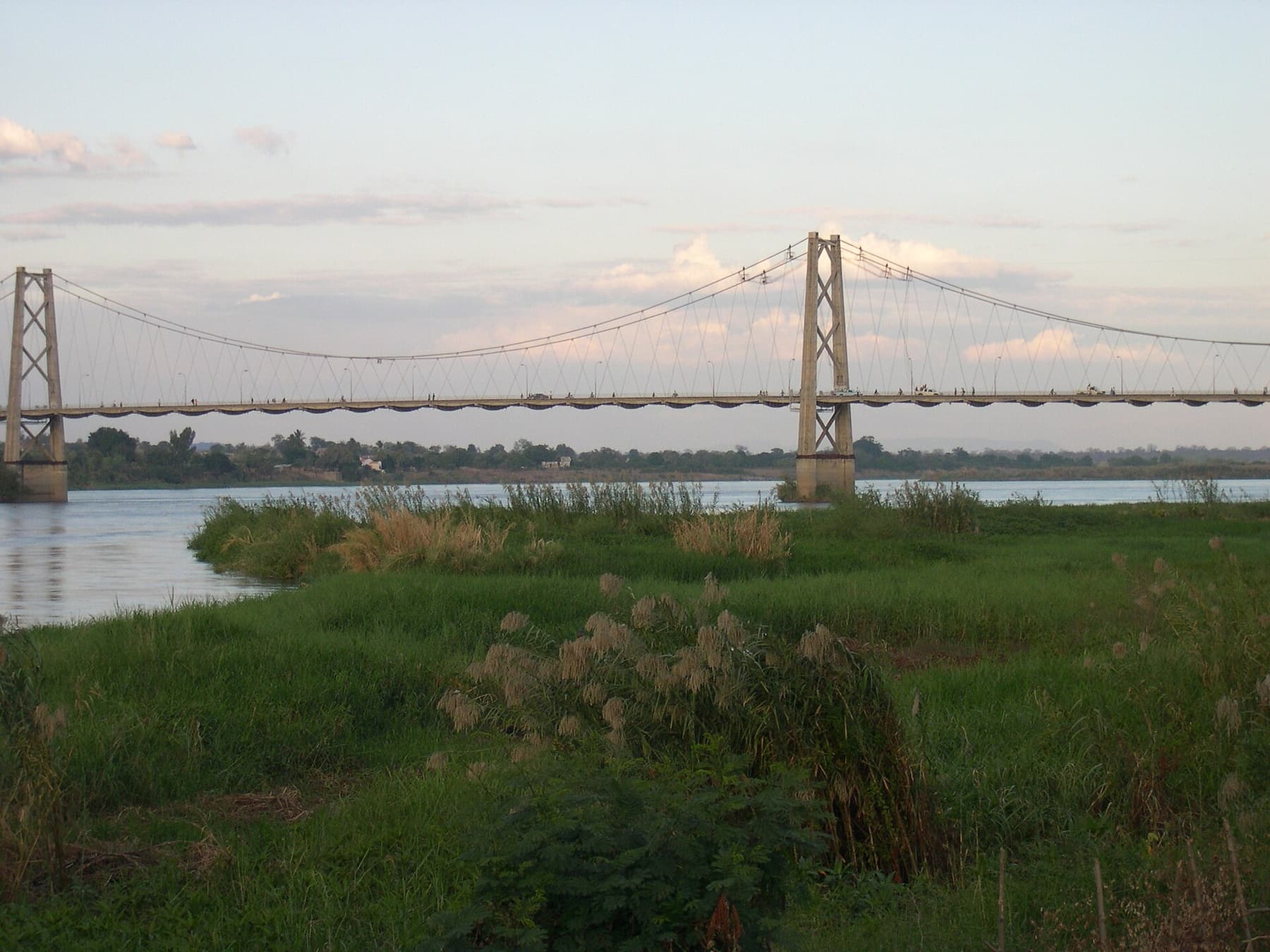
Hover or tap a province to see what's there. The south is easiest to reach, the centre holds the parks, and the north is where the country gets genuinely remote.
EXPERIENCES
What do you want to do?
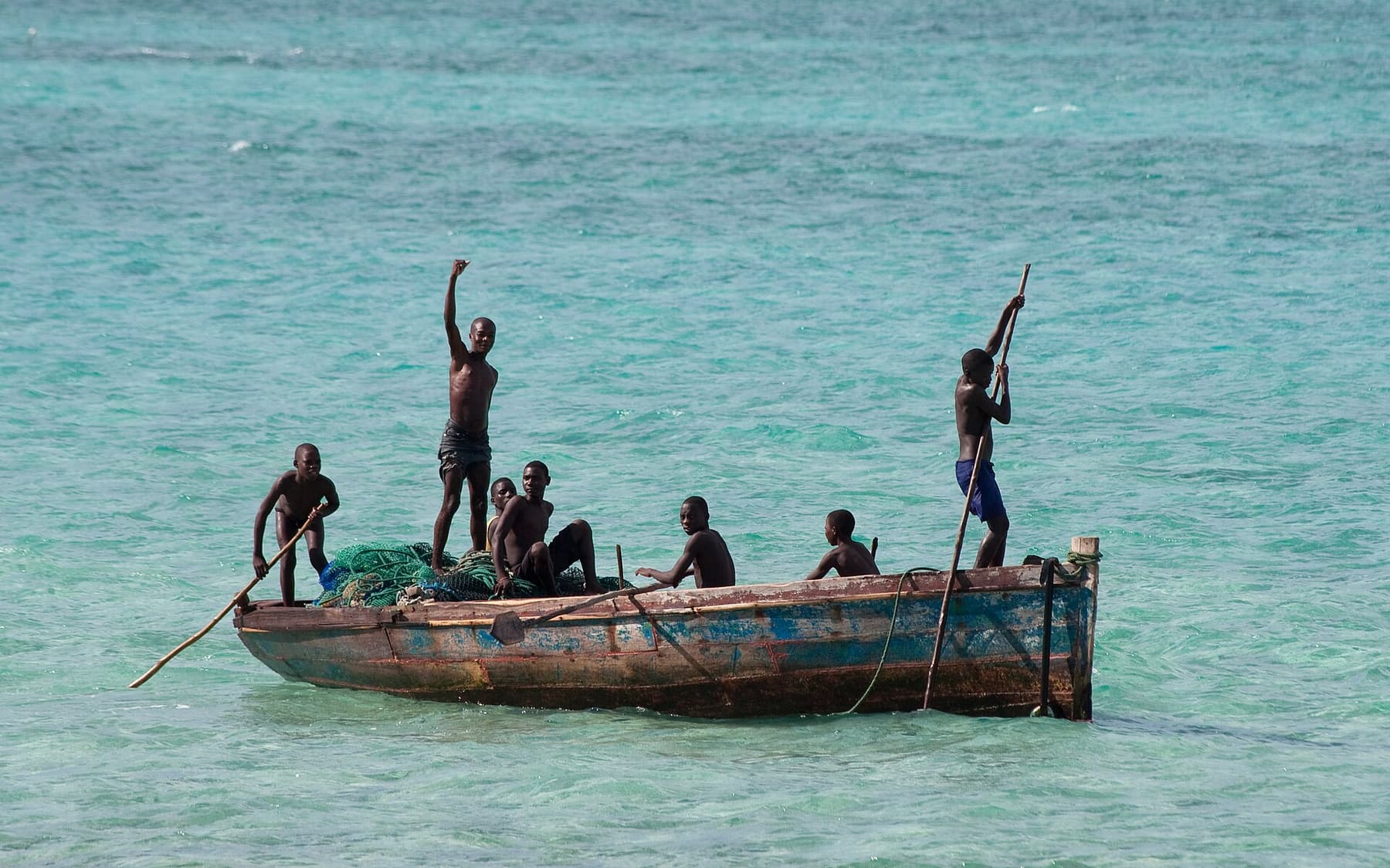
INDIAN OCEAN
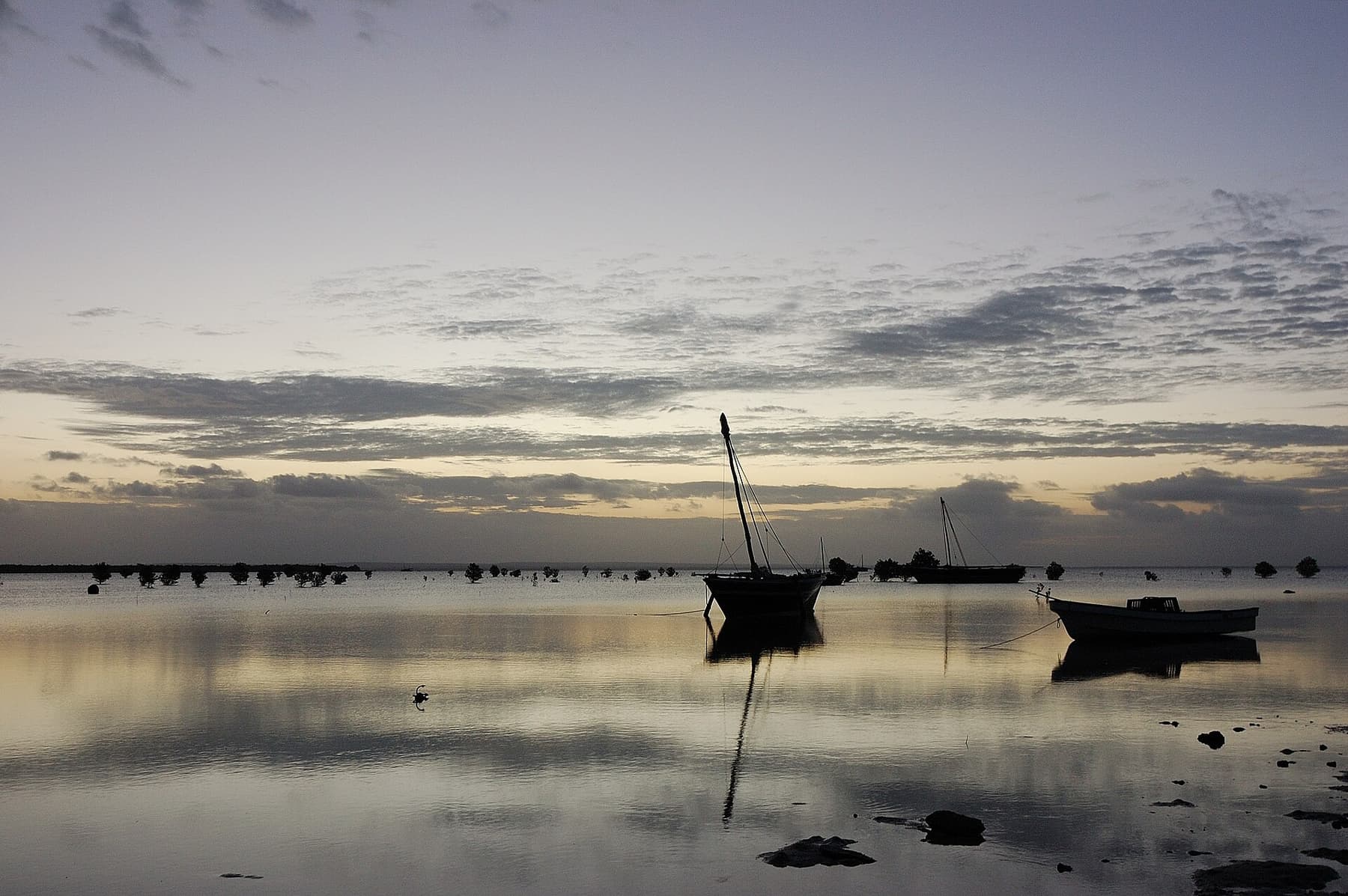
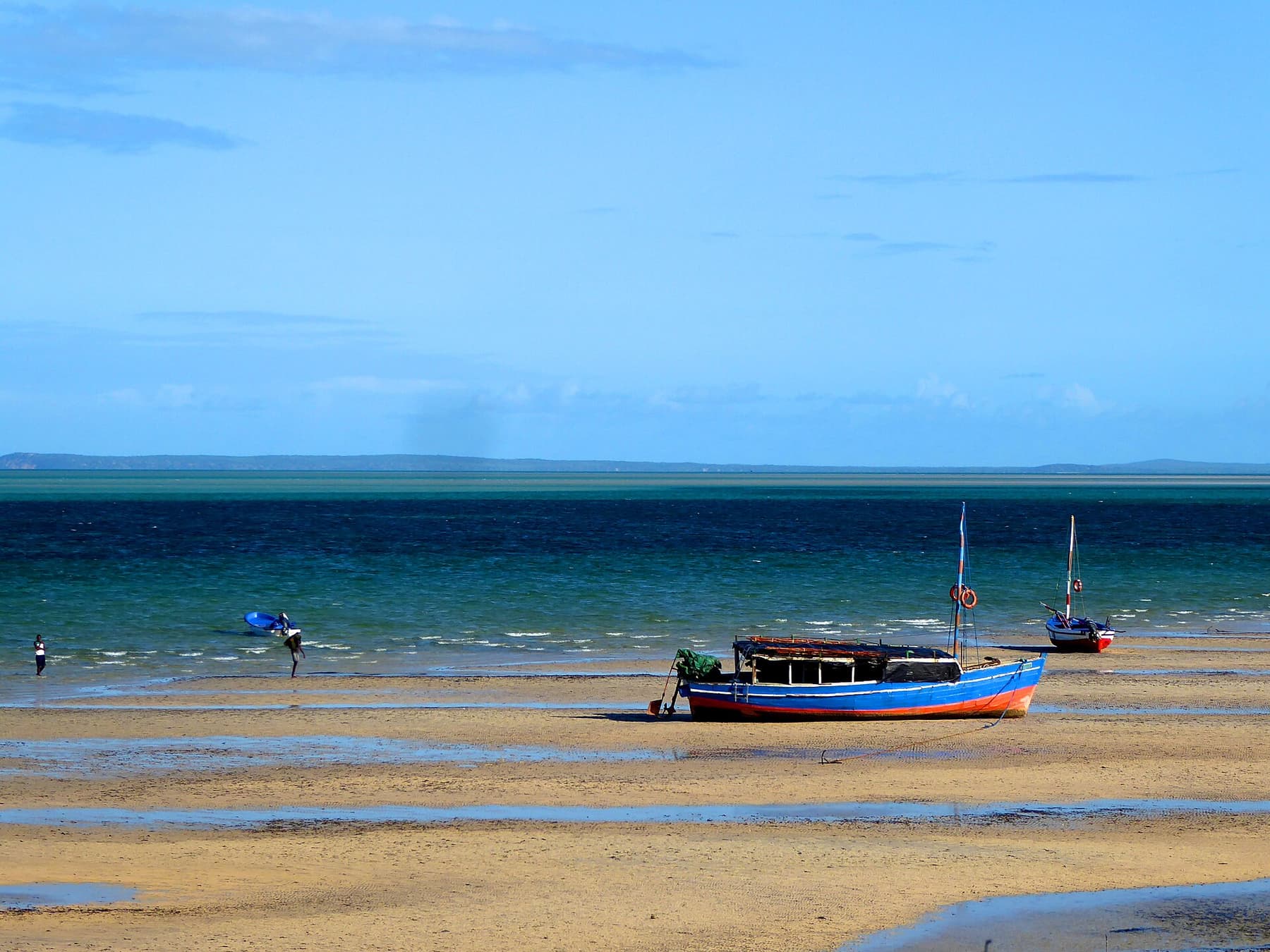
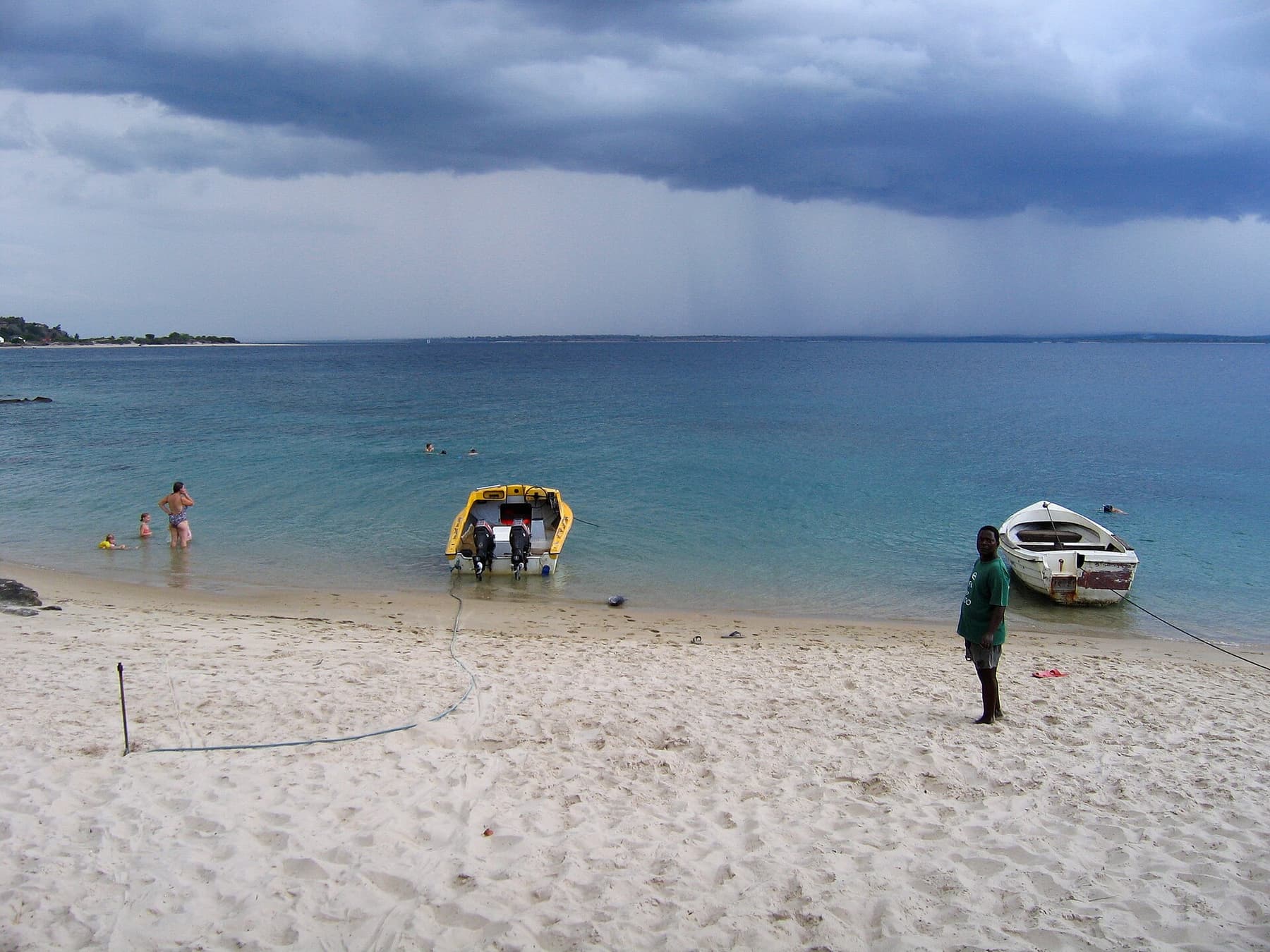
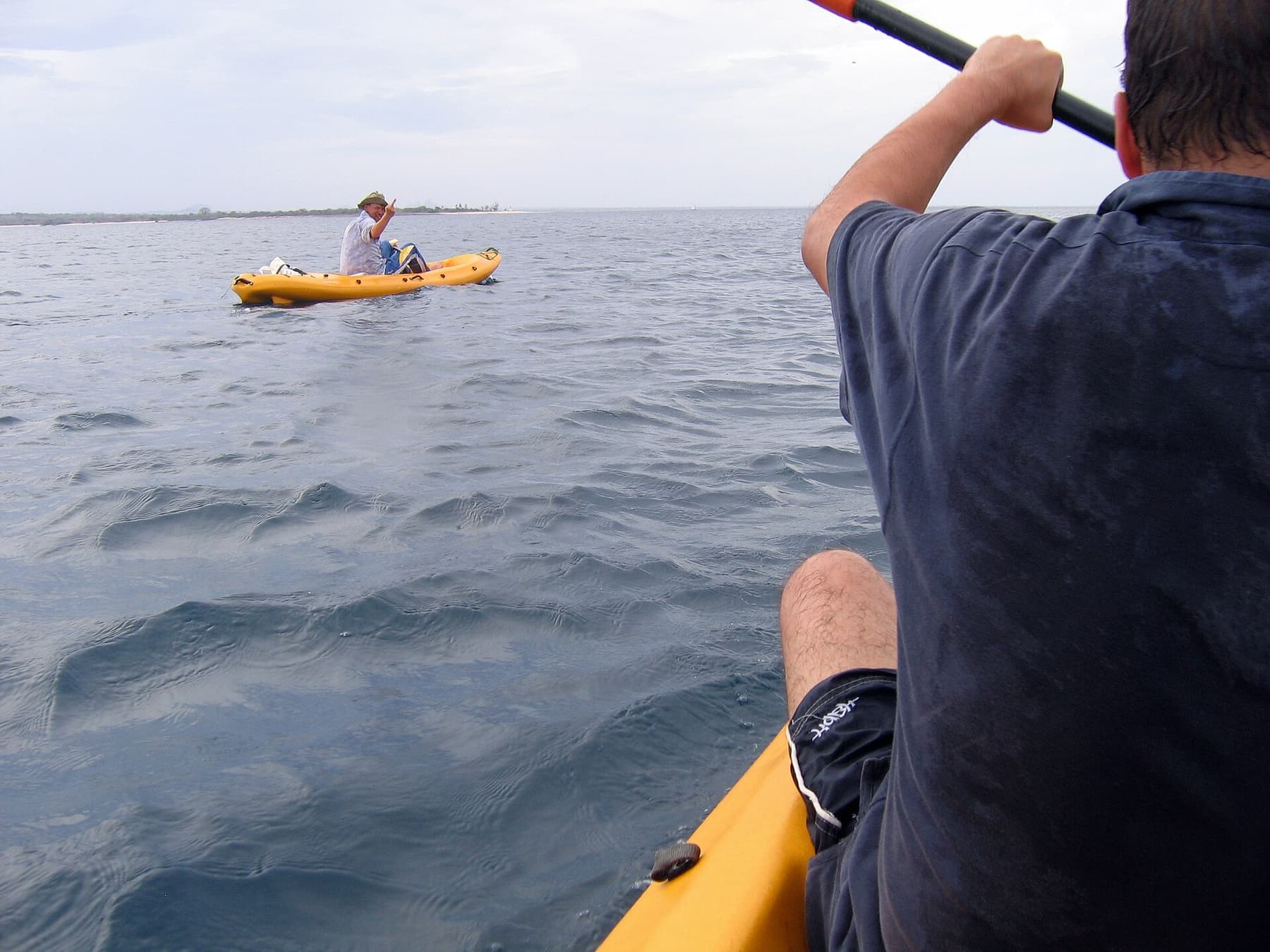
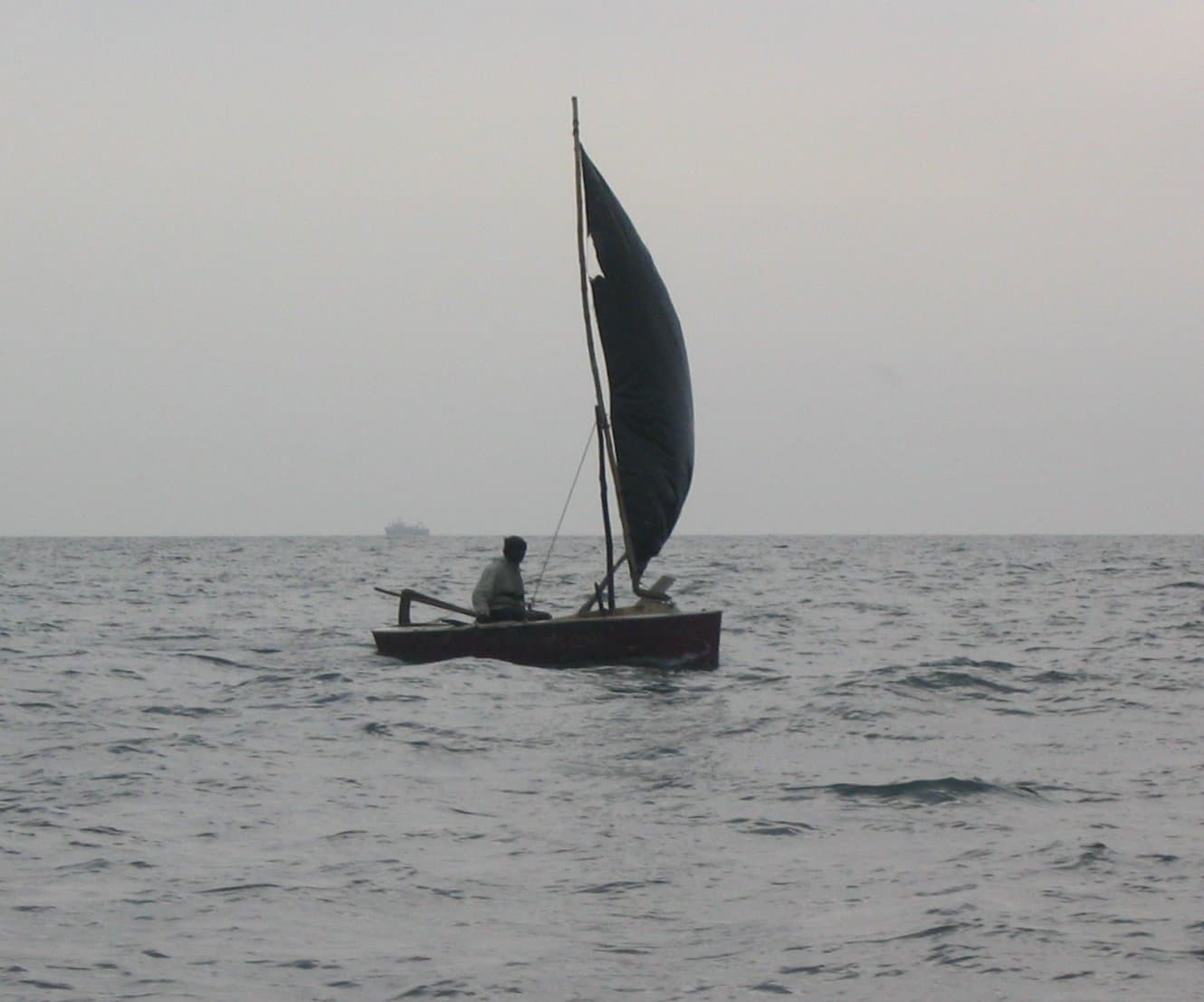
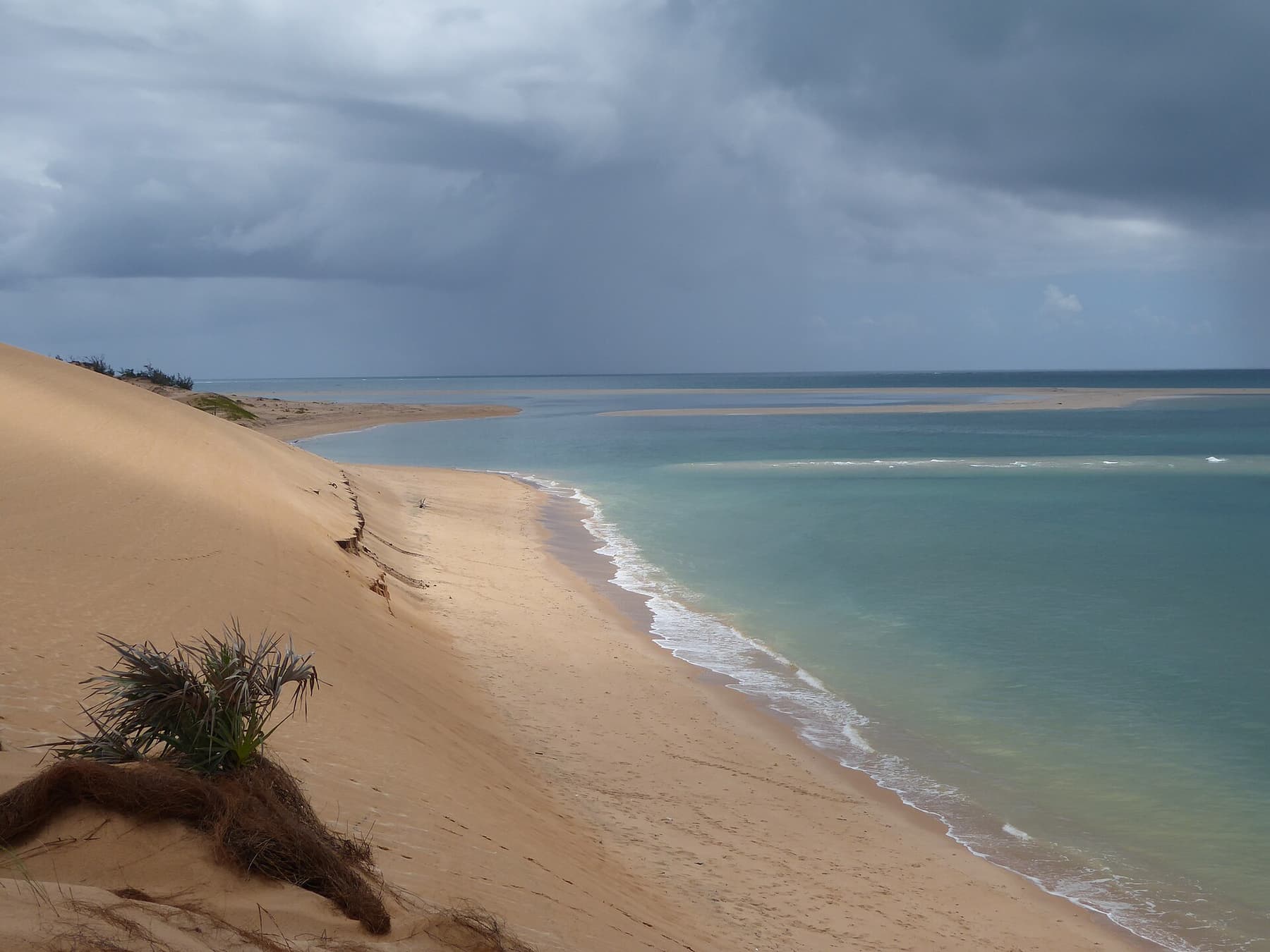
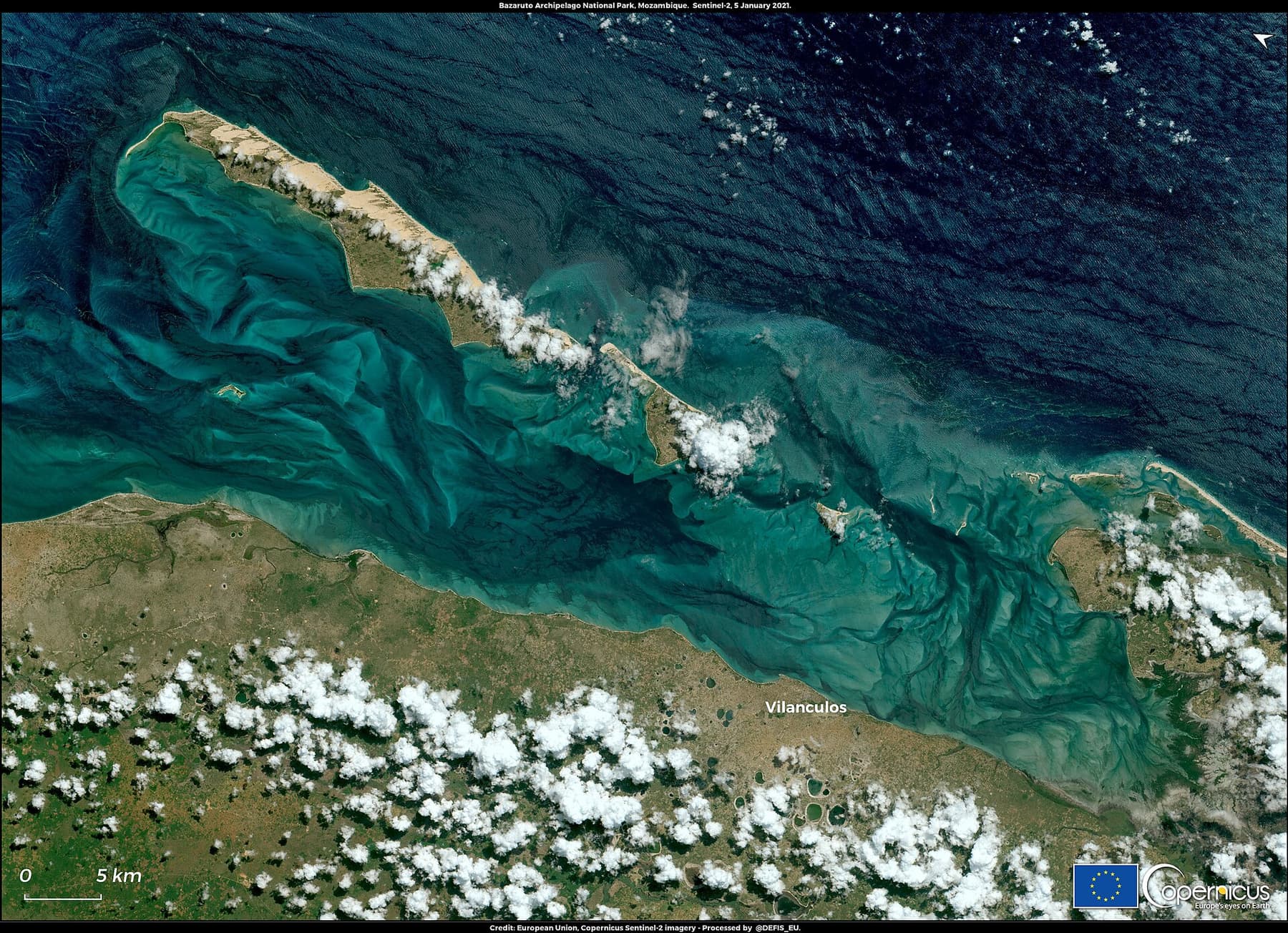
2,700 kilometres of coast
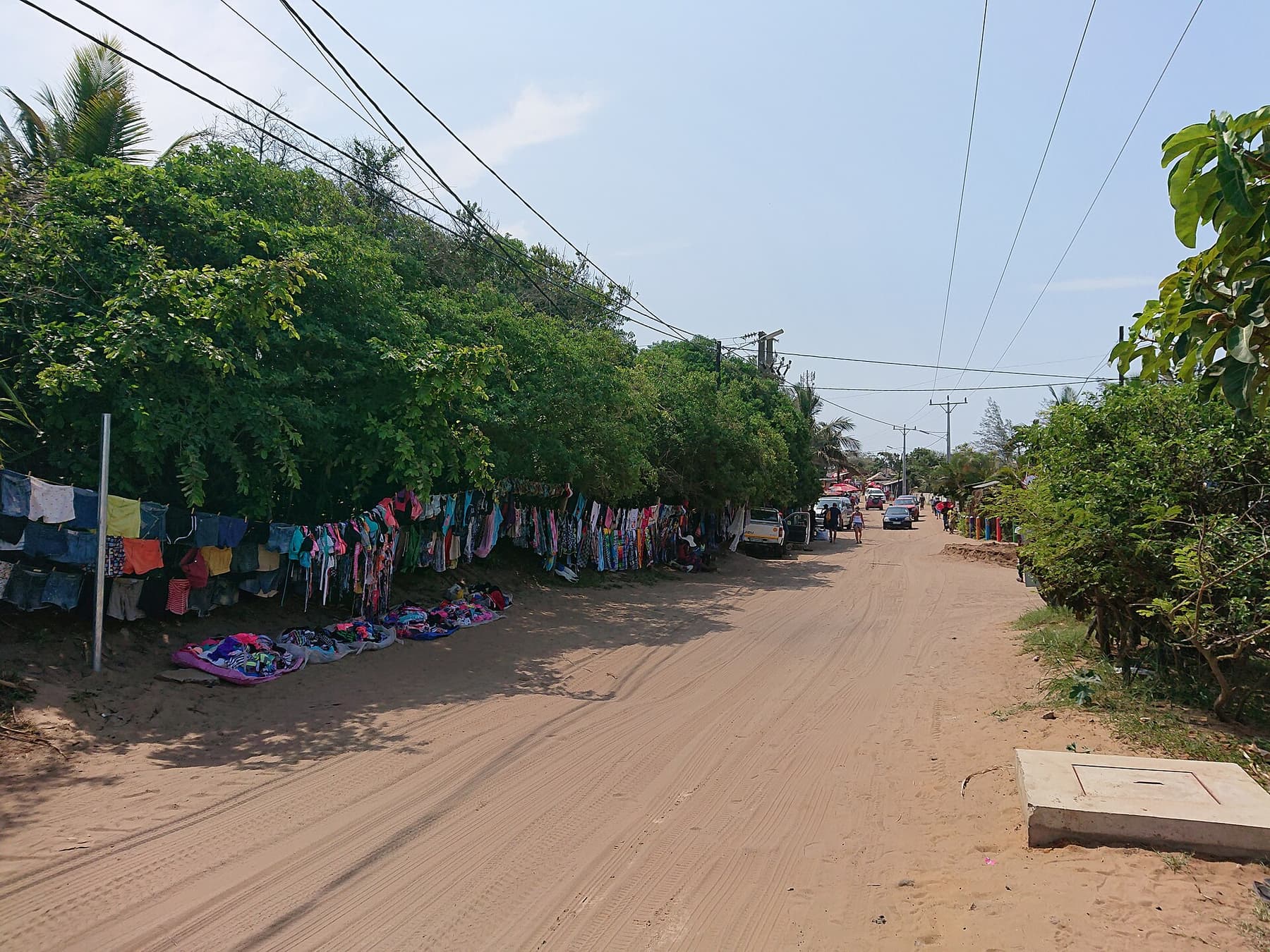
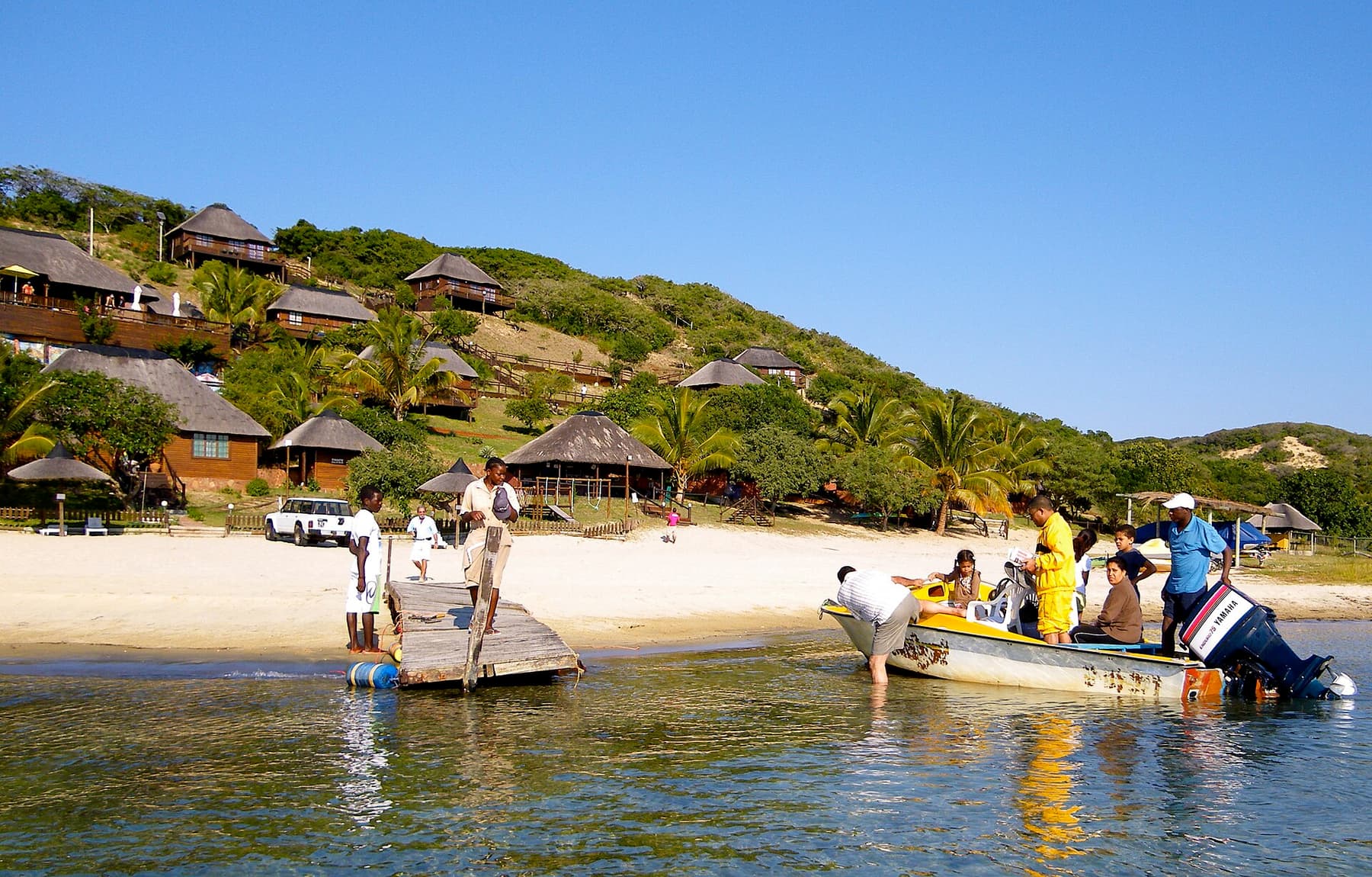
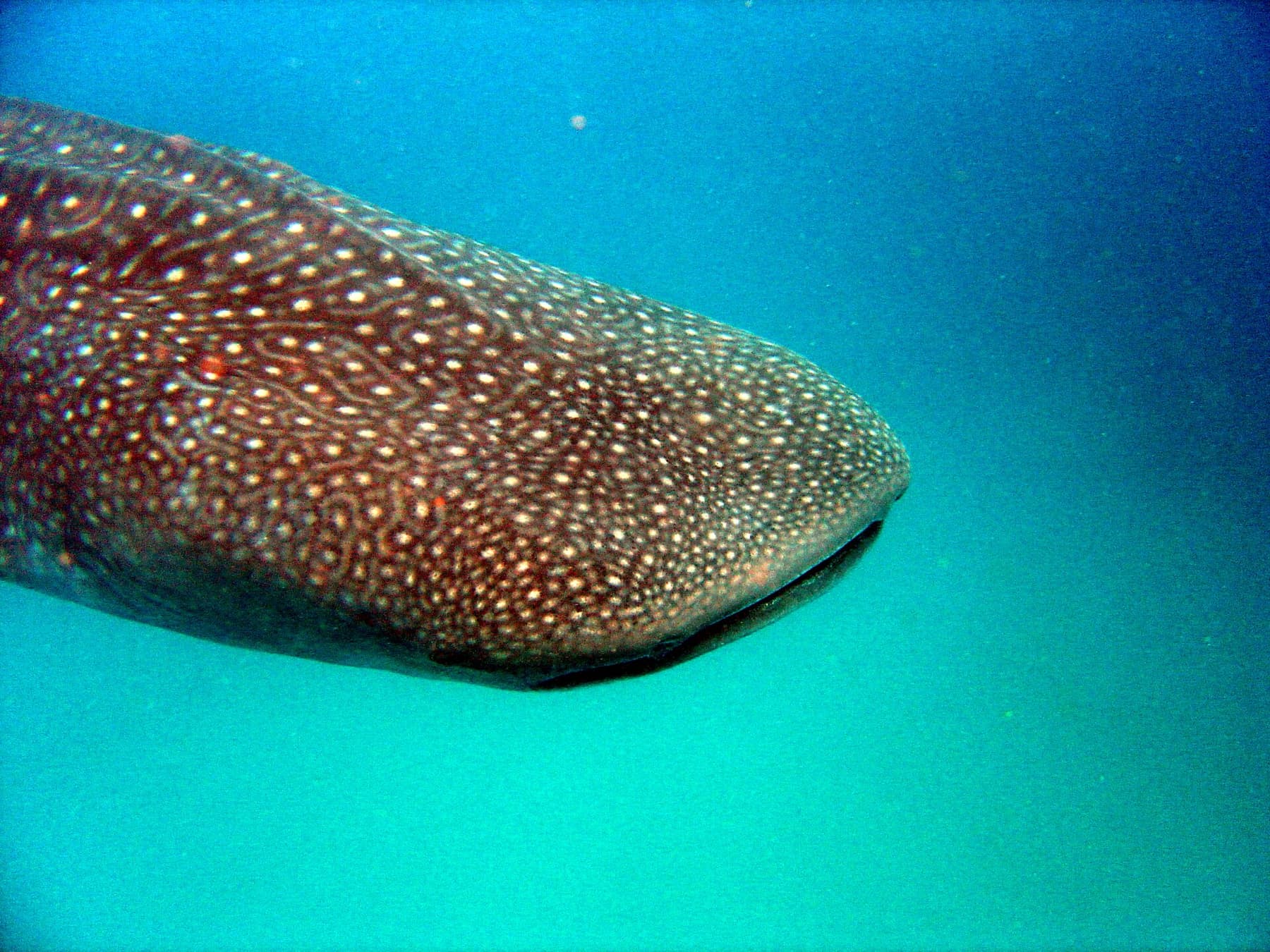
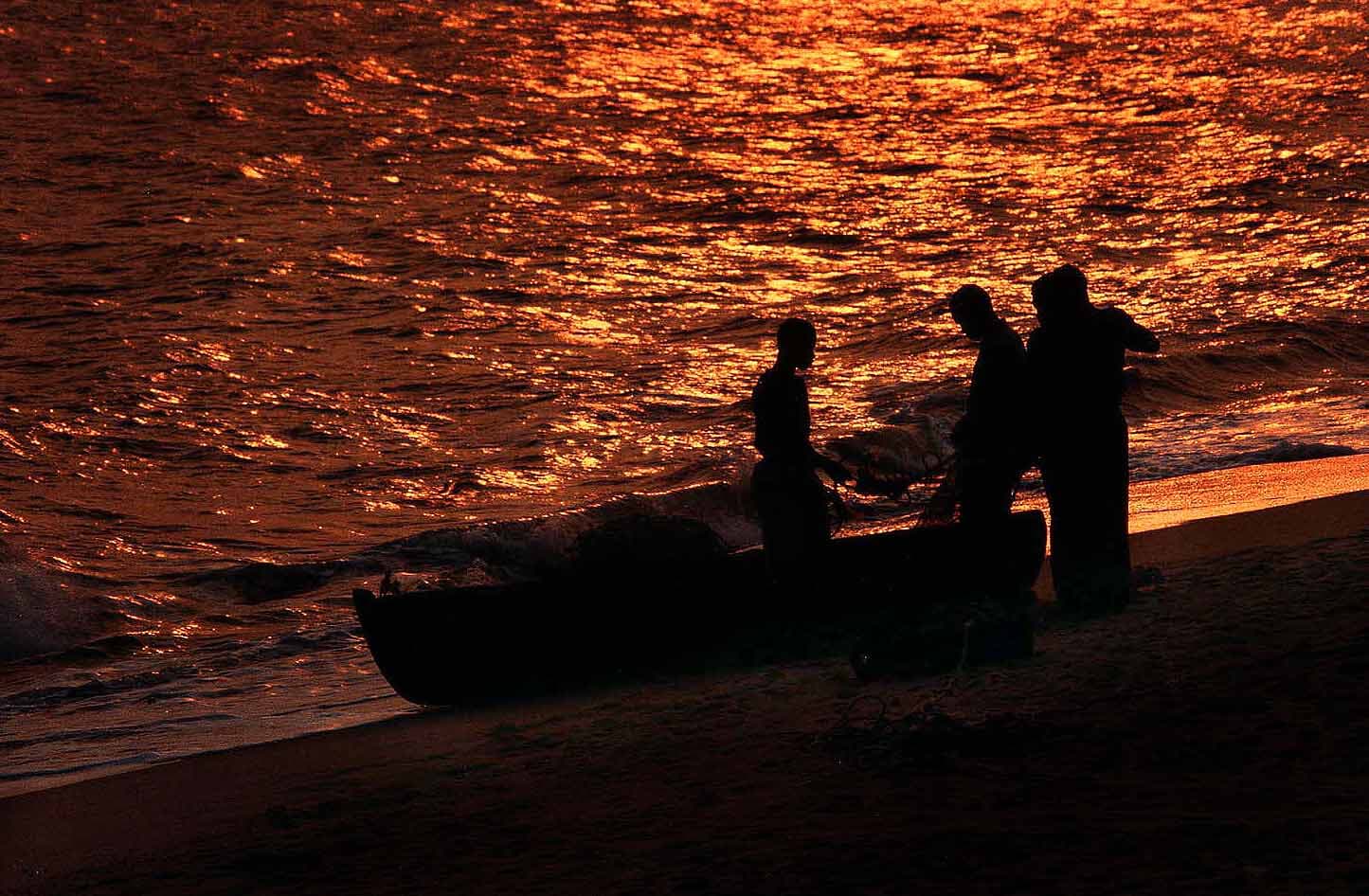
Warm water between 24°C and 29°C, reefs a short boat ride from the beach, and marine life that includes manta rays, whale sharks, humpbacks in season and one of the last dugong populations in the western Indian Ocean.
View all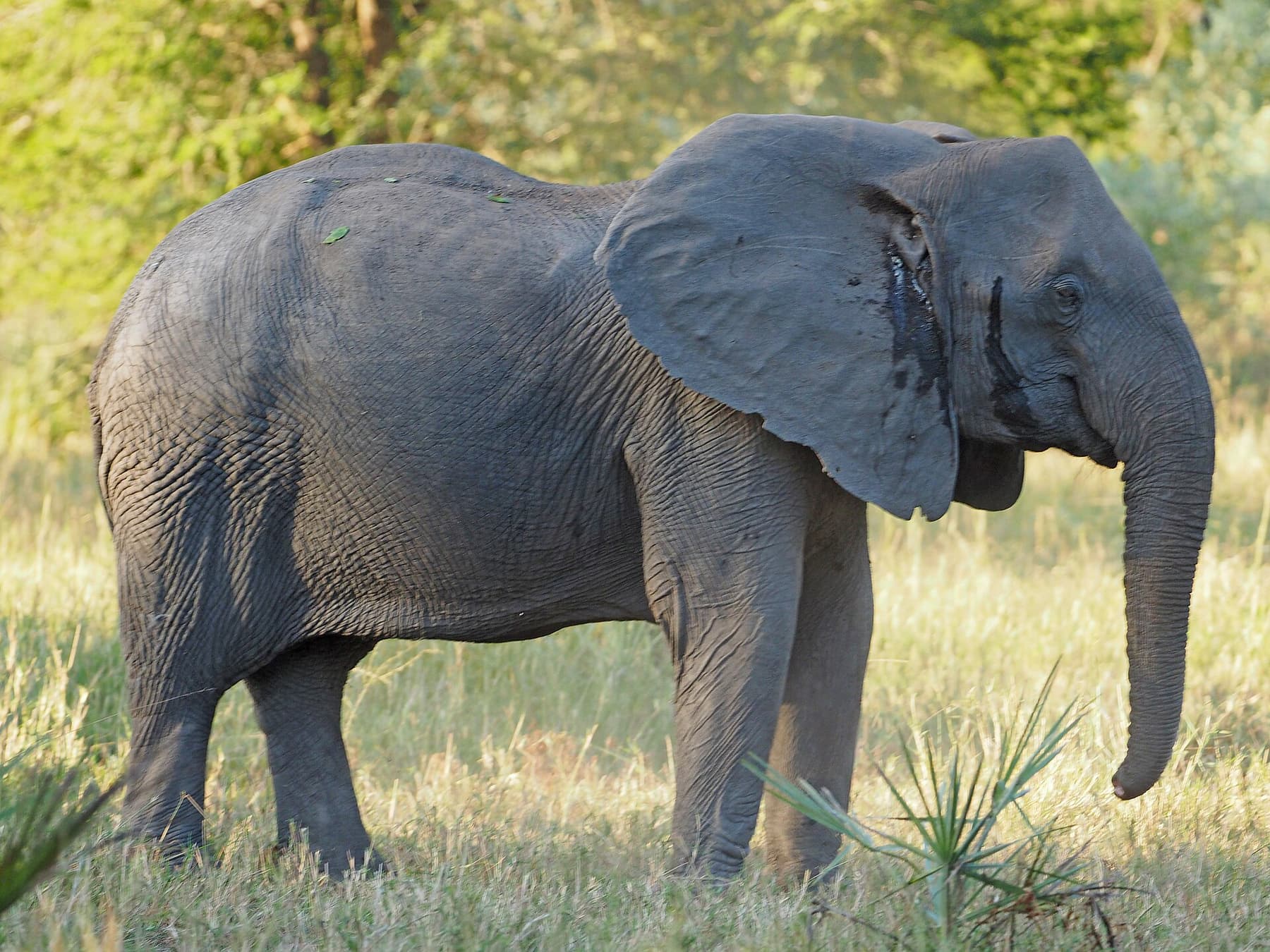
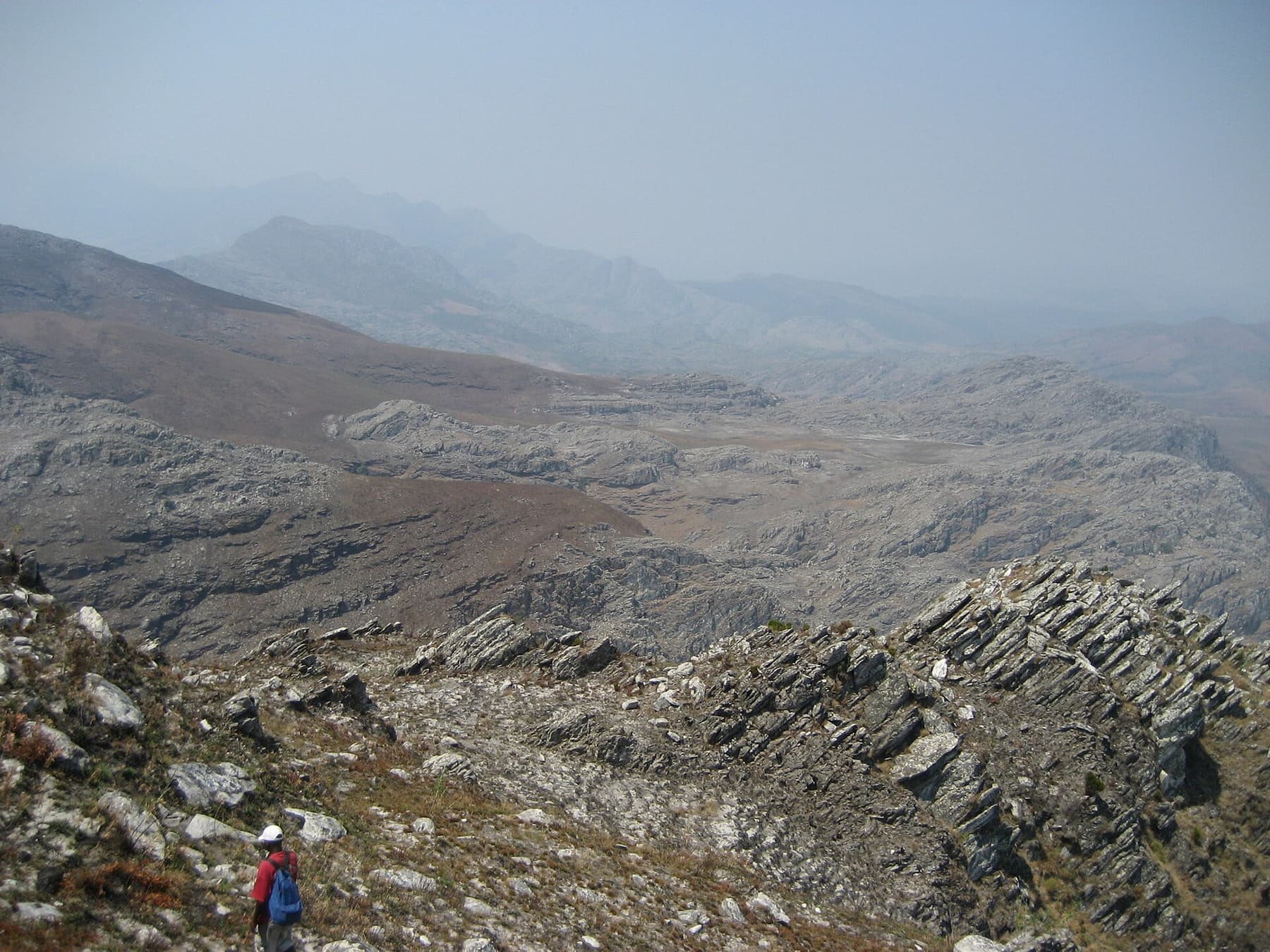
NATURE & SAFARI
Wild, and coming back
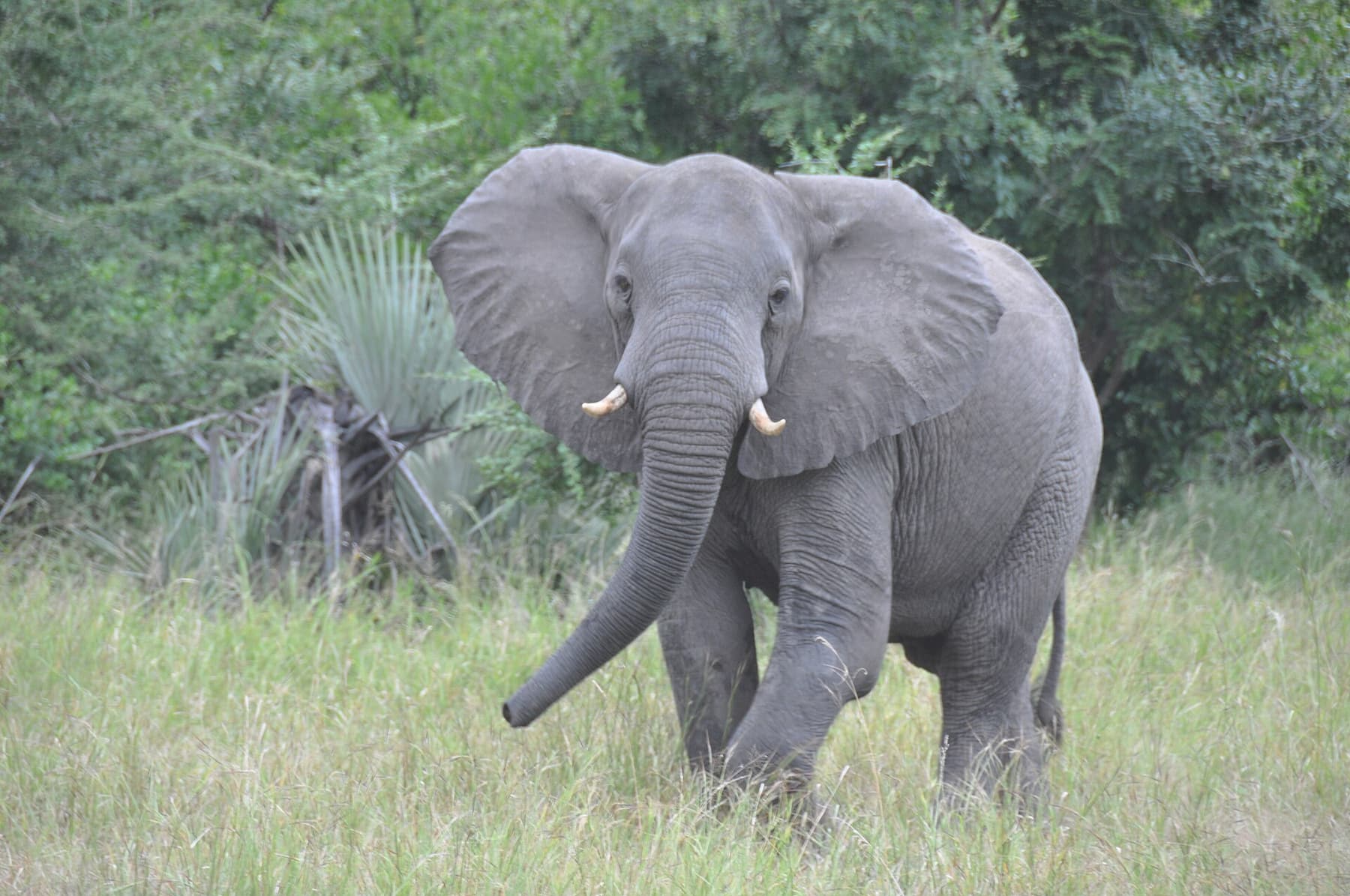
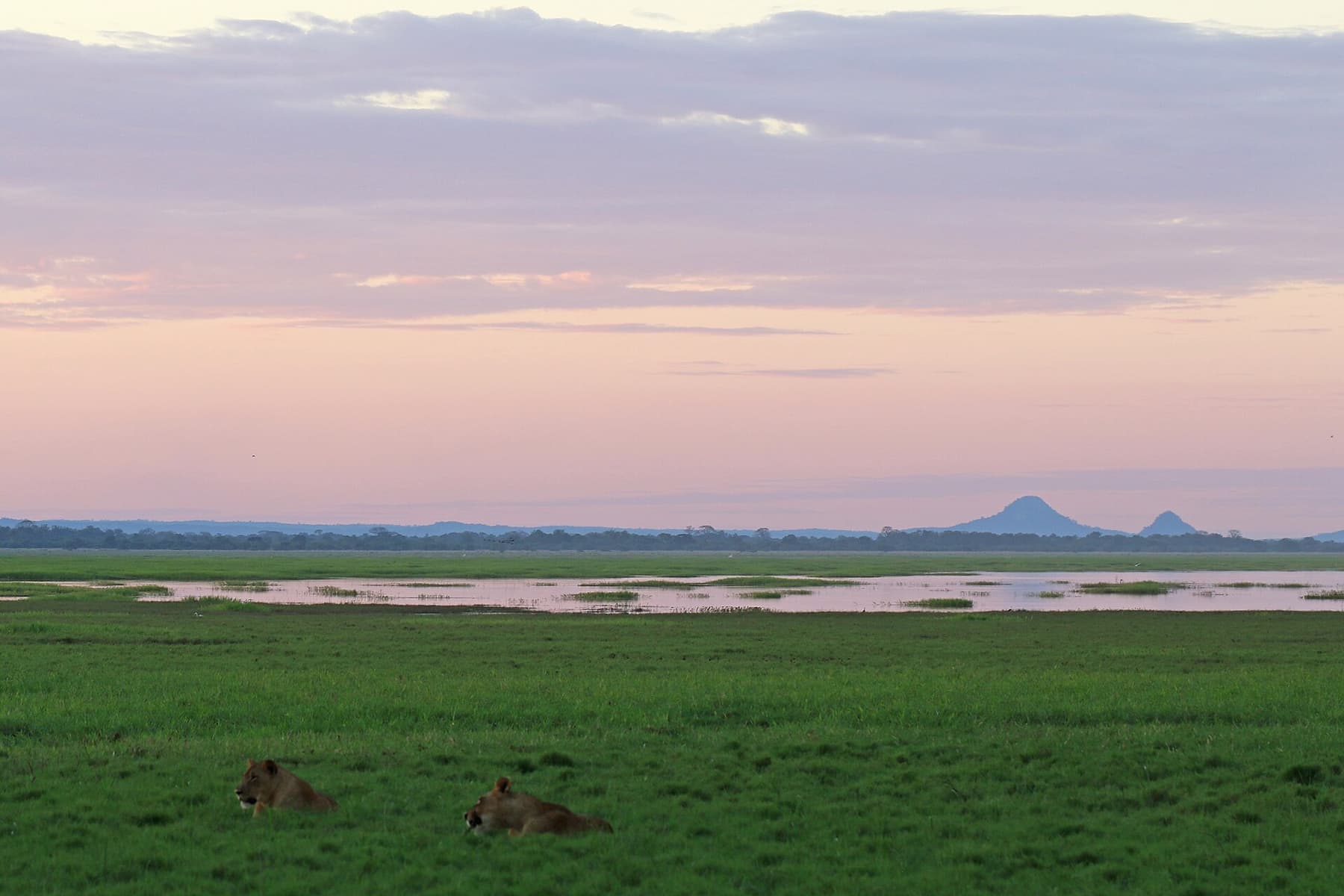
Gorongosa is one of the most closely watched conservation projects in Africa. Niassa Special Reserve covers 42,000 km² of miombo woodland. Maputo National Park has elephants that walk from forest to beach. None of them are crowded.
View all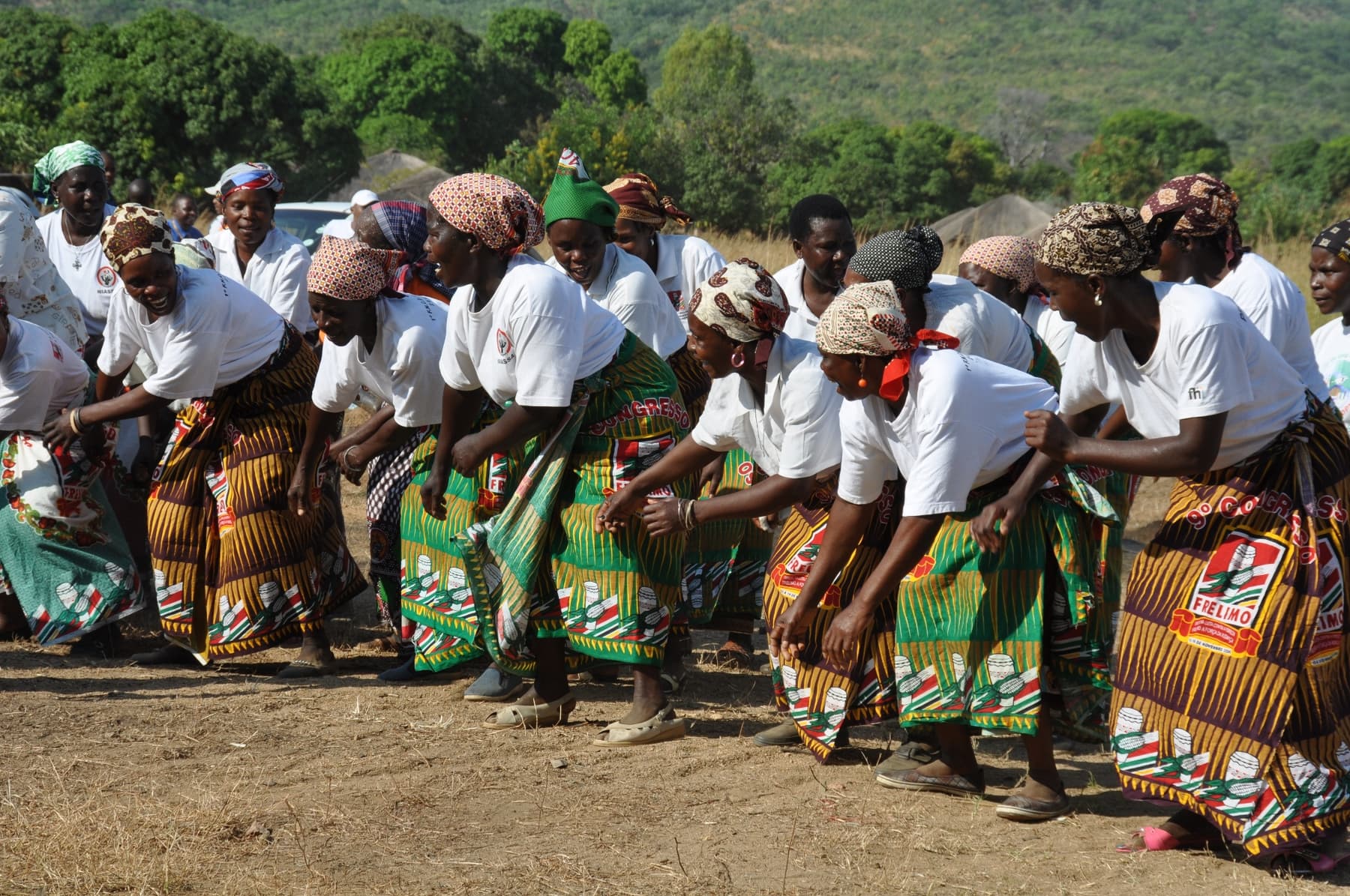
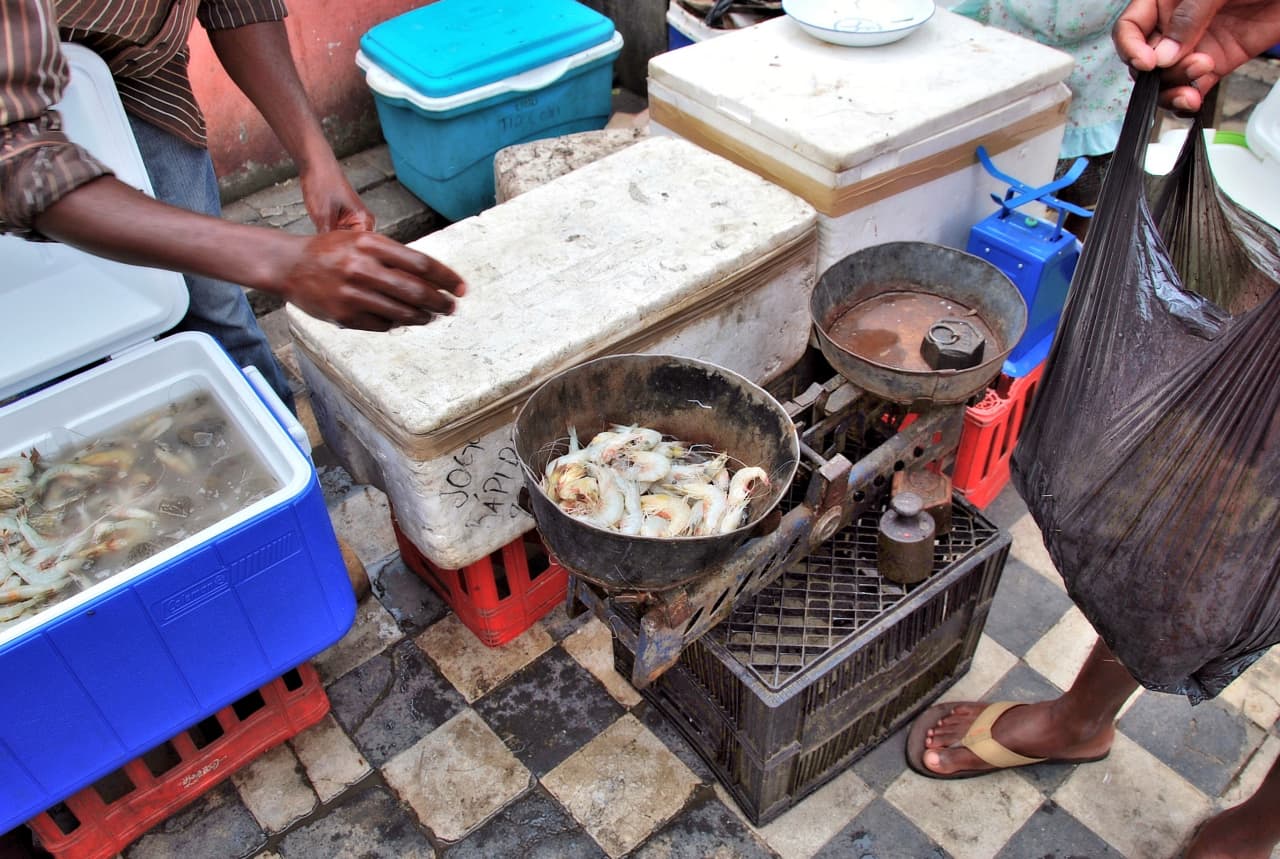
CULTURE
Marrabenta, timbila and capulana
Bantu, Swahili, Arab, Indian and Portuguese threads run through the music, the food and the design. Two Mozambican traditions — Chopi timbila and the Nyau masked dance — are inscribed by UNESCO as intangible cultural heritage.
View allITINERARIES
Routes worth following
Seven routes, from a two-day weekend in Maputo to a sixteen-day traverse from the Quirimbas to Ponta do Ouro.
WHERE TO STAY
From island lodges to city classics
We do not sell or confirm availability. Contact the property directly.
WHAT'S ON
Festivals and seasons
INSPIRATION
Stories and guides
PLAN YOUR TRIP
Build an itinerary in five steps
Tell us how long you have, which regions appeal and what you want to do. We match it against destinations published on this site and suggest a route. It is a starting point, not a booking — nothing here confirms availability or price.
- 01Days
- 02Regions
- 03Interests
- 04Budget
- 05Who's coming
RESPONSIBLE TOURISM
Travel that leaves more than it takes
Protect what you came for
Never touch or chase marine life, don't remove shells or coral, and use reef-safe sunscreen. Several areas are national parks where conservation fees apply per person per day.
Buy where it matters
Markets, craft cooperatives and community-run guiding keep tourism income in the places it comes from. Ask a lodge how it works with its neighbours — good operators will tell you.
Ask before you photograph
Especially of people, and especially in residential neighbourhoods. Avoid photographing government buildings, ports, airports, bridges and military sites.
Check official sources
Visa, health and safety requirements change. Always confirm with your own government's travel advice and the Mozambican authorities before you travel.