Culture
History
Swahili trading towns, Portuguese fortresses and a UNESCO World Heritage island.
Long before European ships arrived, this coast belonged to the Swahili trading world, linked to Arabia, Persia, India and China. The Island of Mozambique became the capital of Portuguese East Africa and is now a UNESCO World Heritage Site, its Stone Town still holding the Fort of São Sebastião and the Chapel of Nossa Senhora do Baluarte. Ibo, in the Quirimbas, tells the same story on a smaller and quieter scale.
Destinations — History
Cabo Delgado
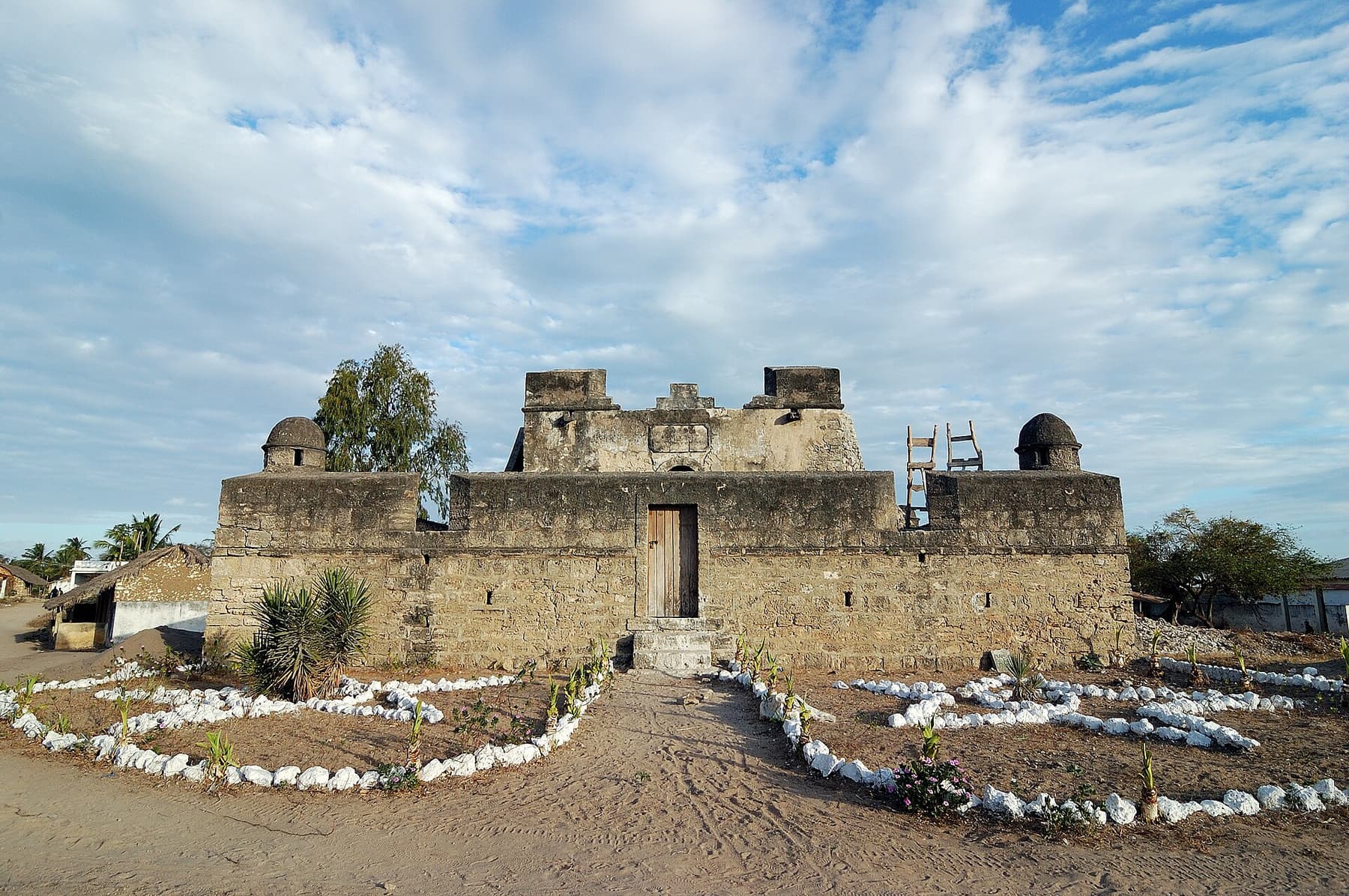
Ibo Island
A Swahili-Portuguese stone town in the Quirimbas, with three fortresses and a living silversmith tradition.
Discover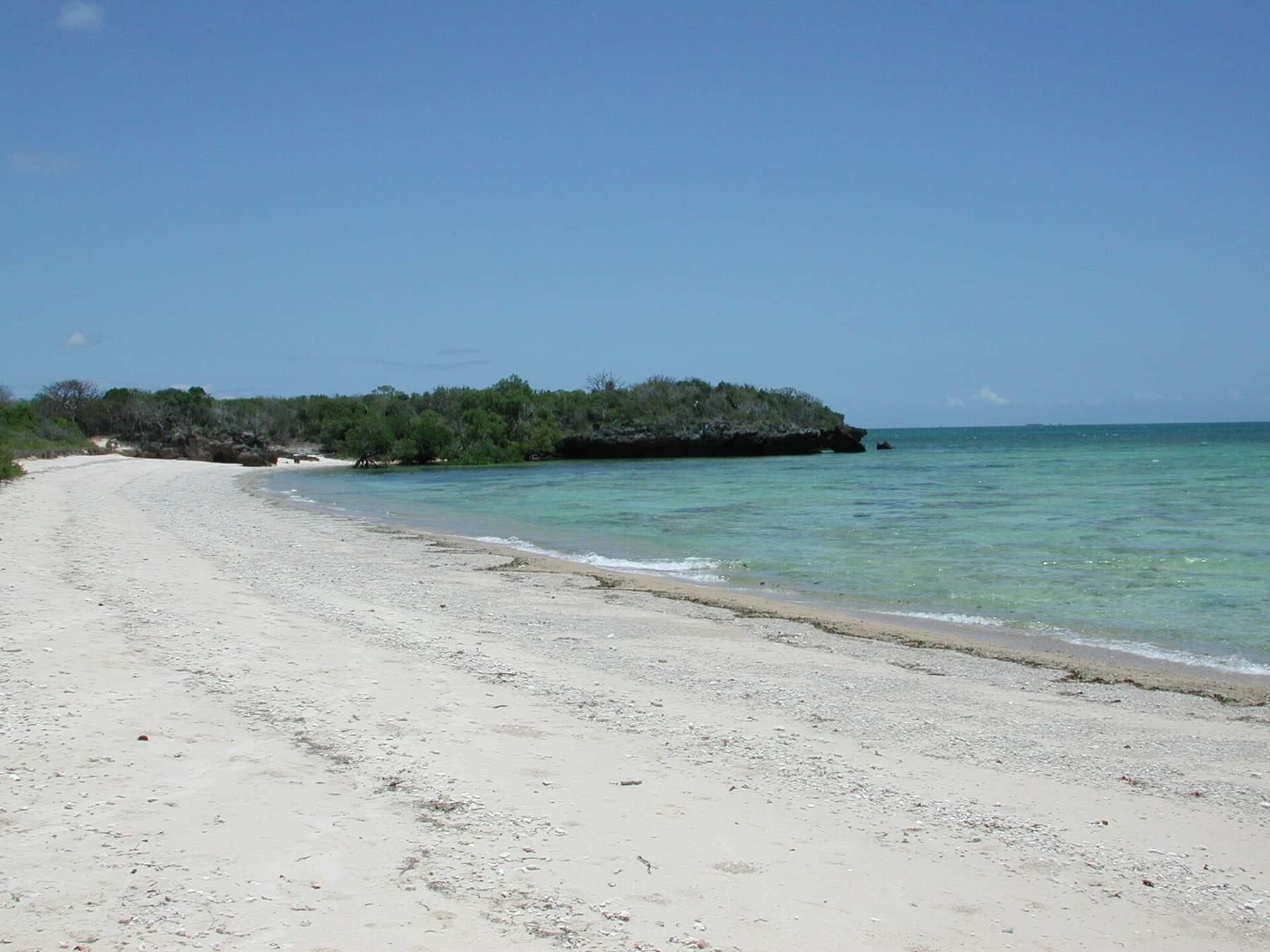
Cabo Delgado
Quirimbas Archipelago
Around thirty coral islands, mangrove channels and reefs, protected within a national park and a UNESCO biosphere reserve.
Discover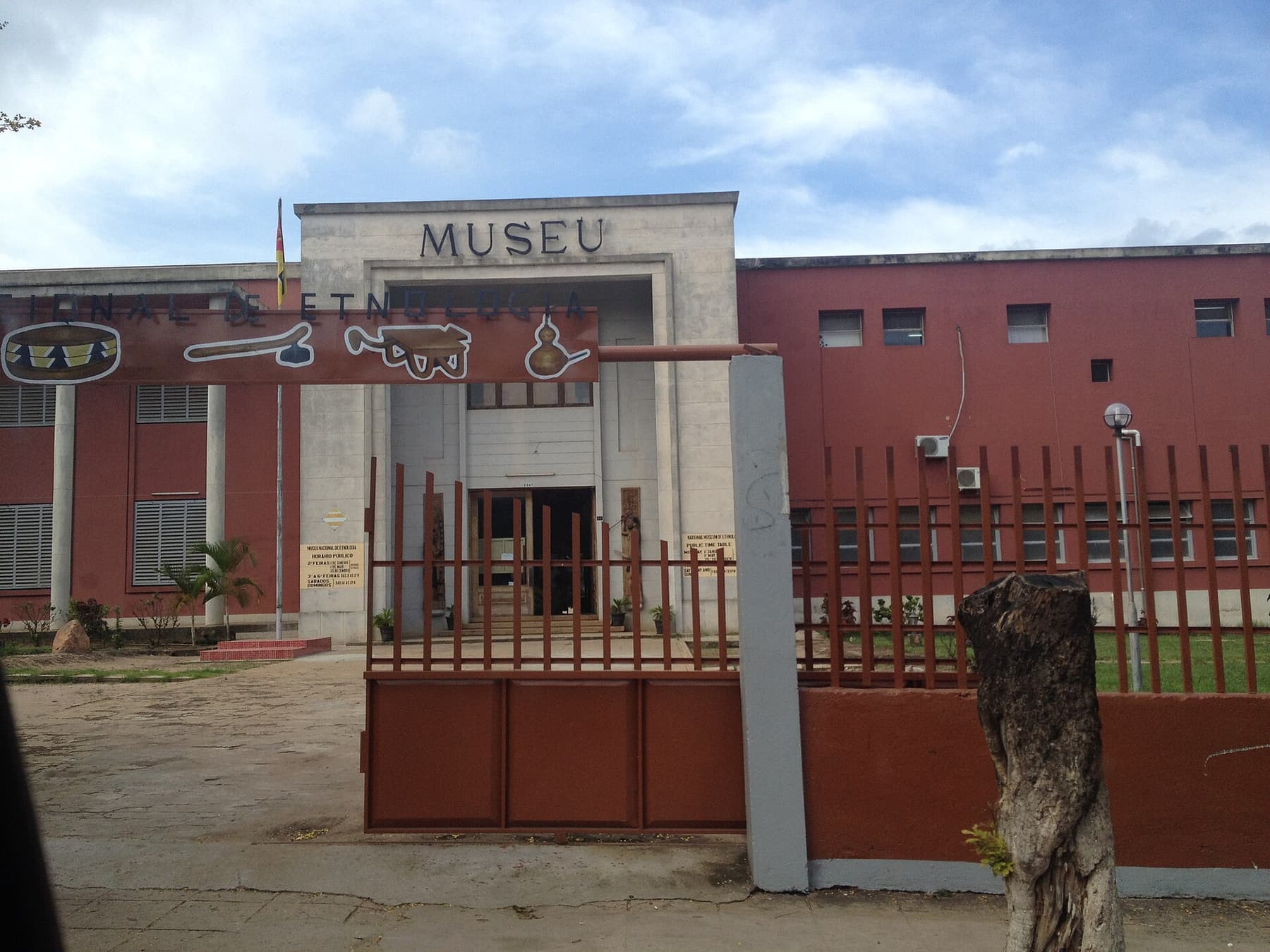
Nampula
Nampula
The capital of the north, surrounded by granite inselbergs and home to the National Ethnography Museum.
Discover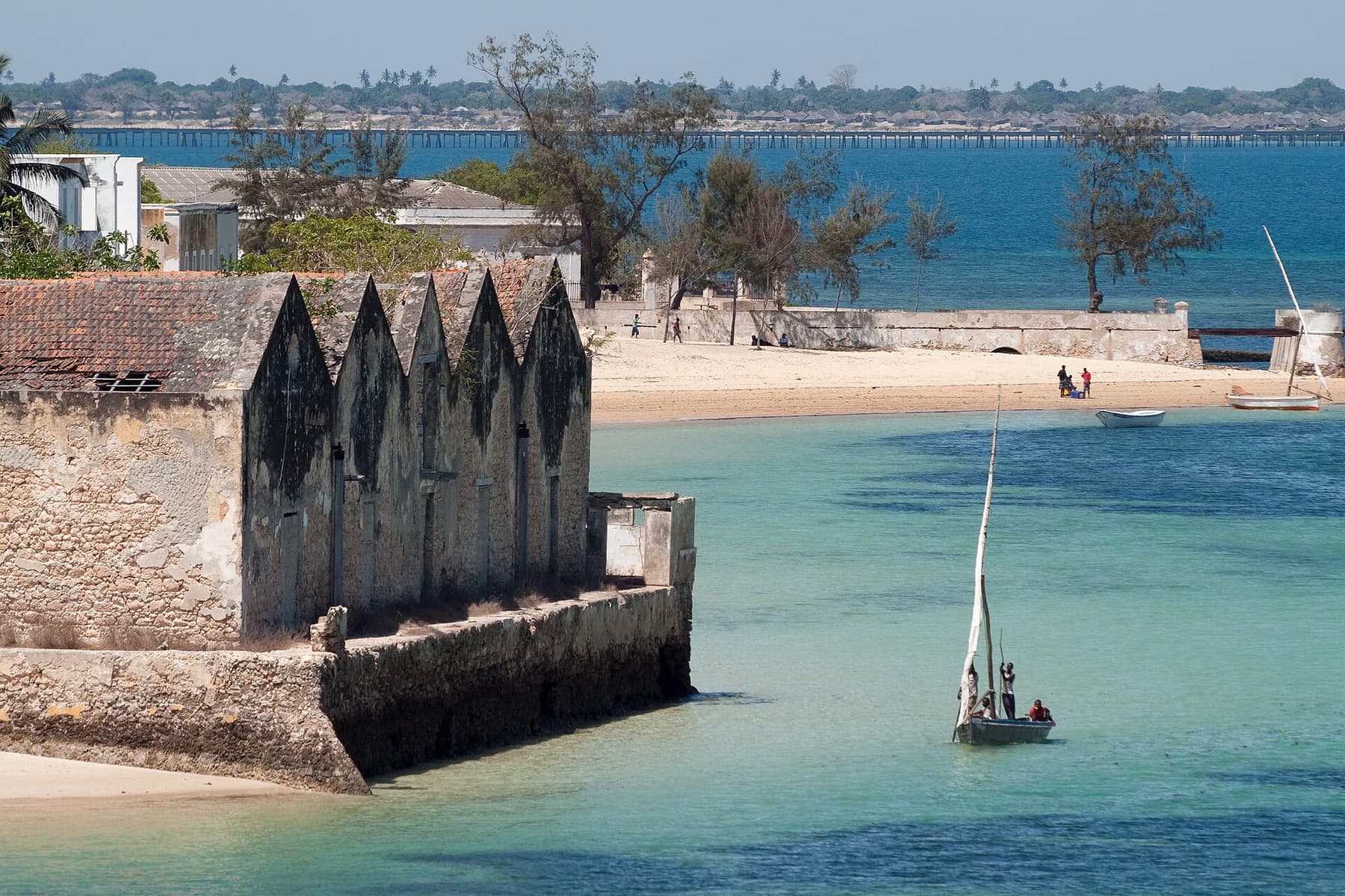
Nampula
Island of Mozambique
A UNESCO World Heritage island: coral-stone Stone Town, Africa's oldest European building, and Makuti Town's daily life.
Discover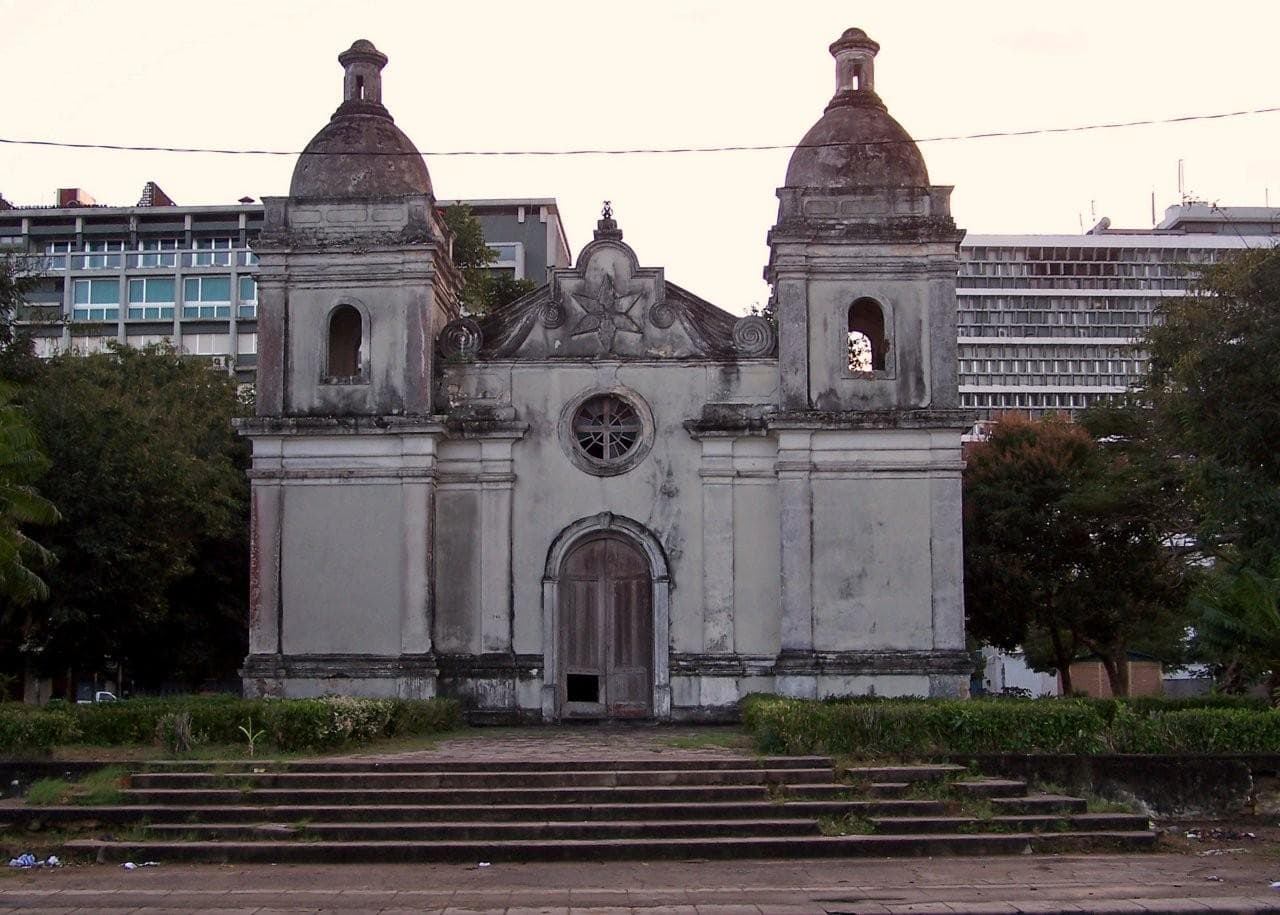
Zambézia
Quelimane
A humid, green river city surrounded by coconut plantations, with Zalala beach nearby.
Discover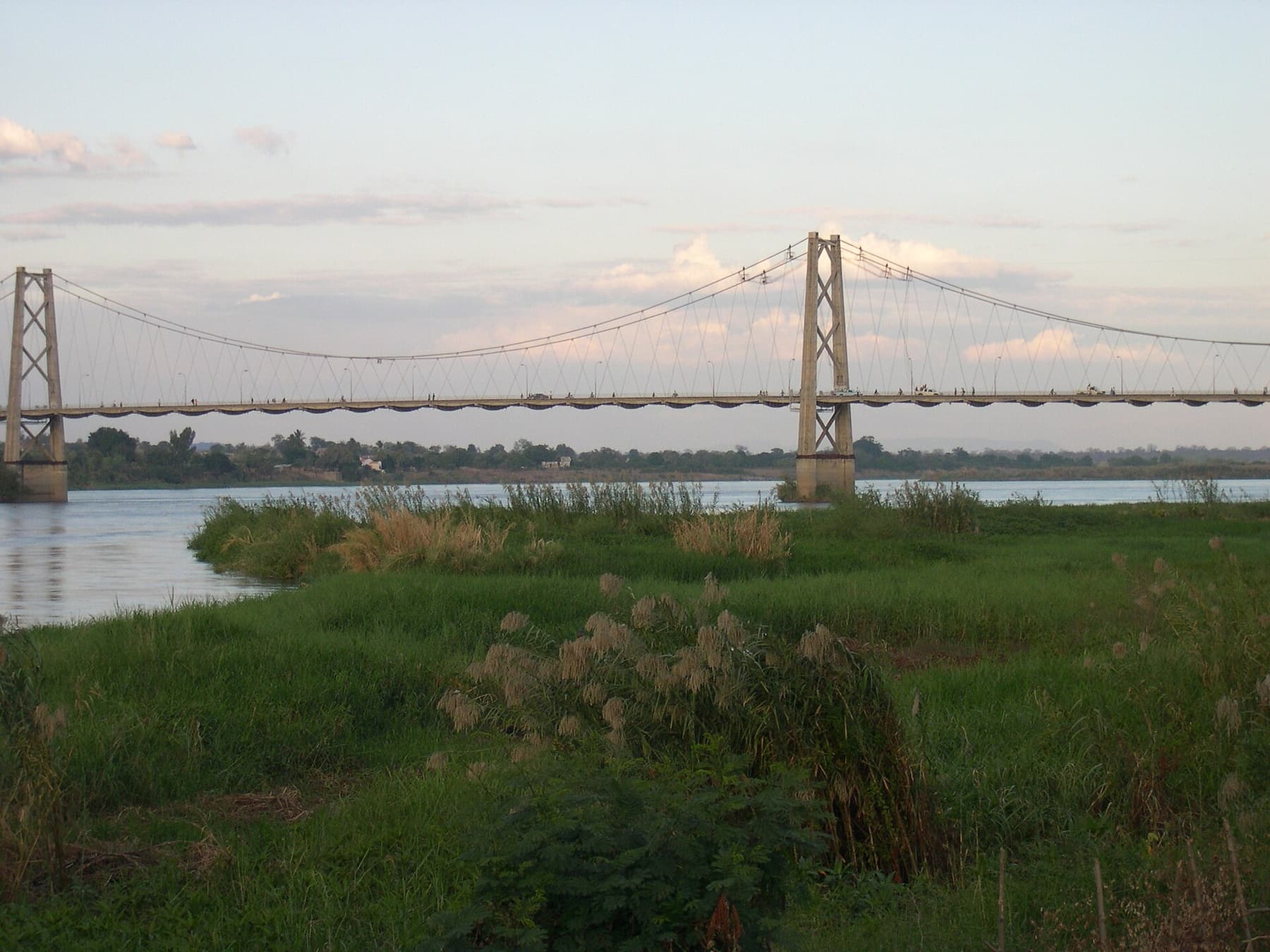
Tete
Tete
A hot Zambezi crossing town of baobabs, bridges and river trade, at the heart of the interior corridor.
Discover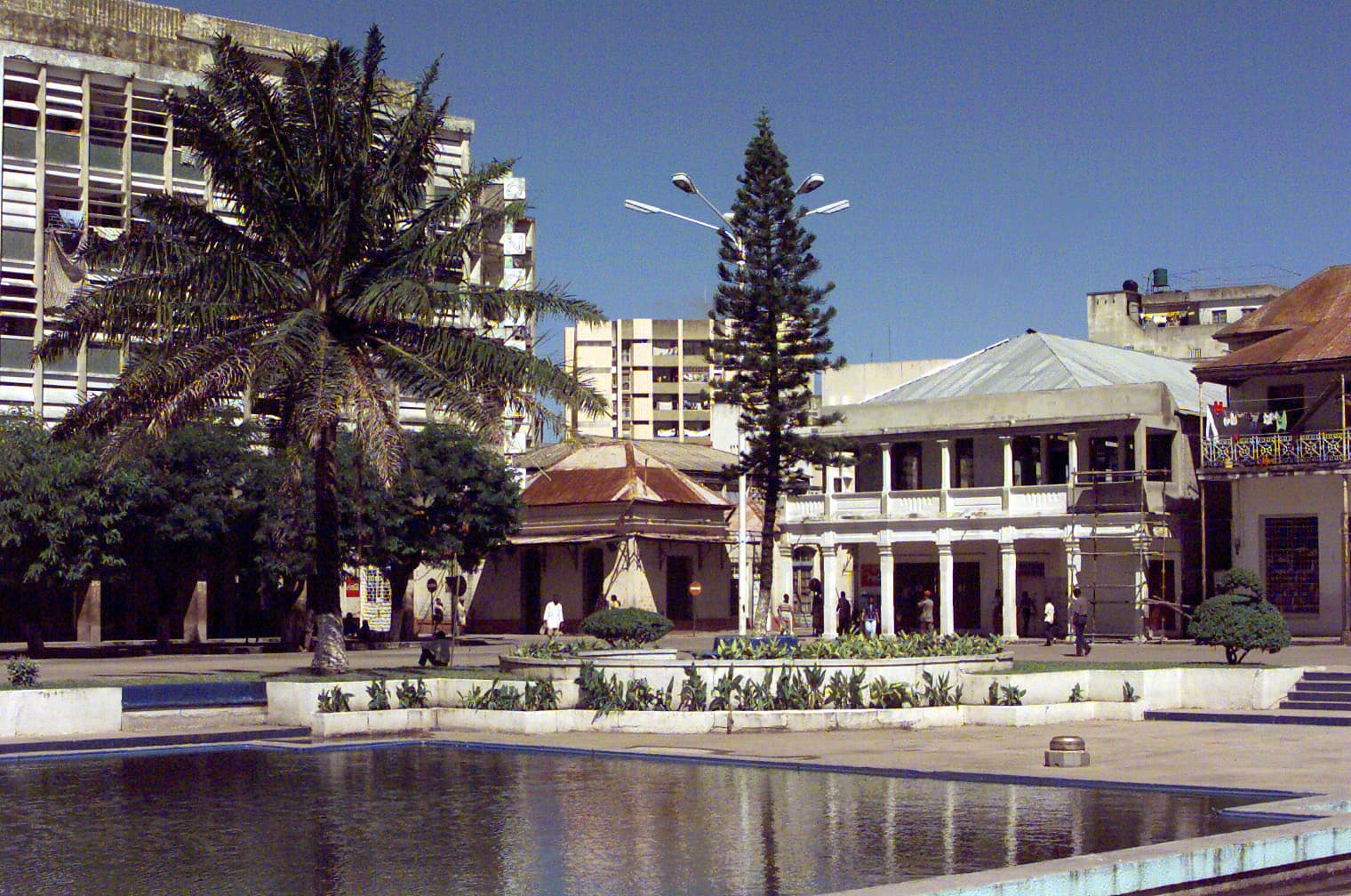
Sofala
Beira
Mozambique's second city: a weathered modernist port town with an extraordinary architectural legacy.
Discover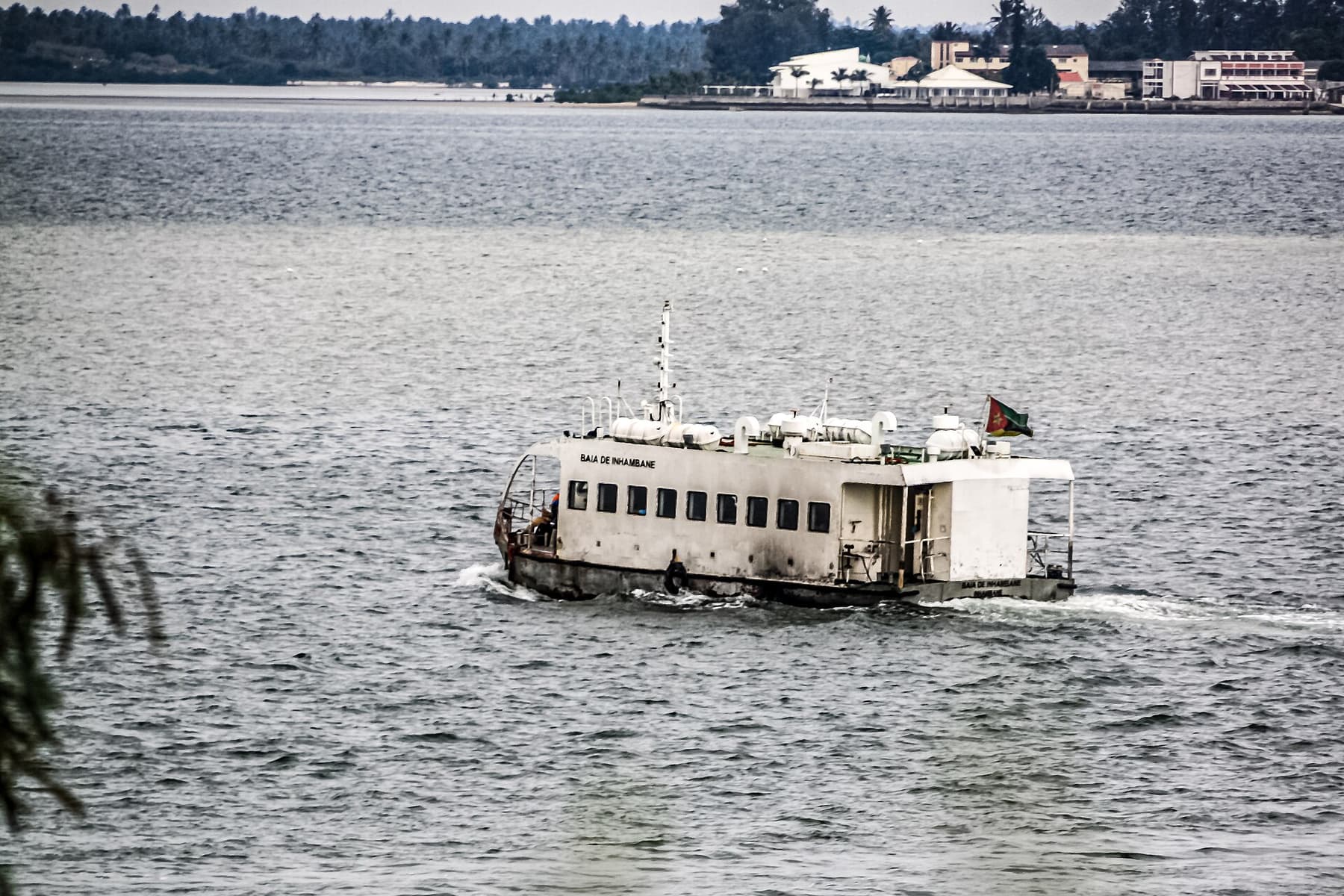
Inhambane
Inhambane Town
One of the oldest towns on the East African coast, still built around a working dhow harbour.
Discover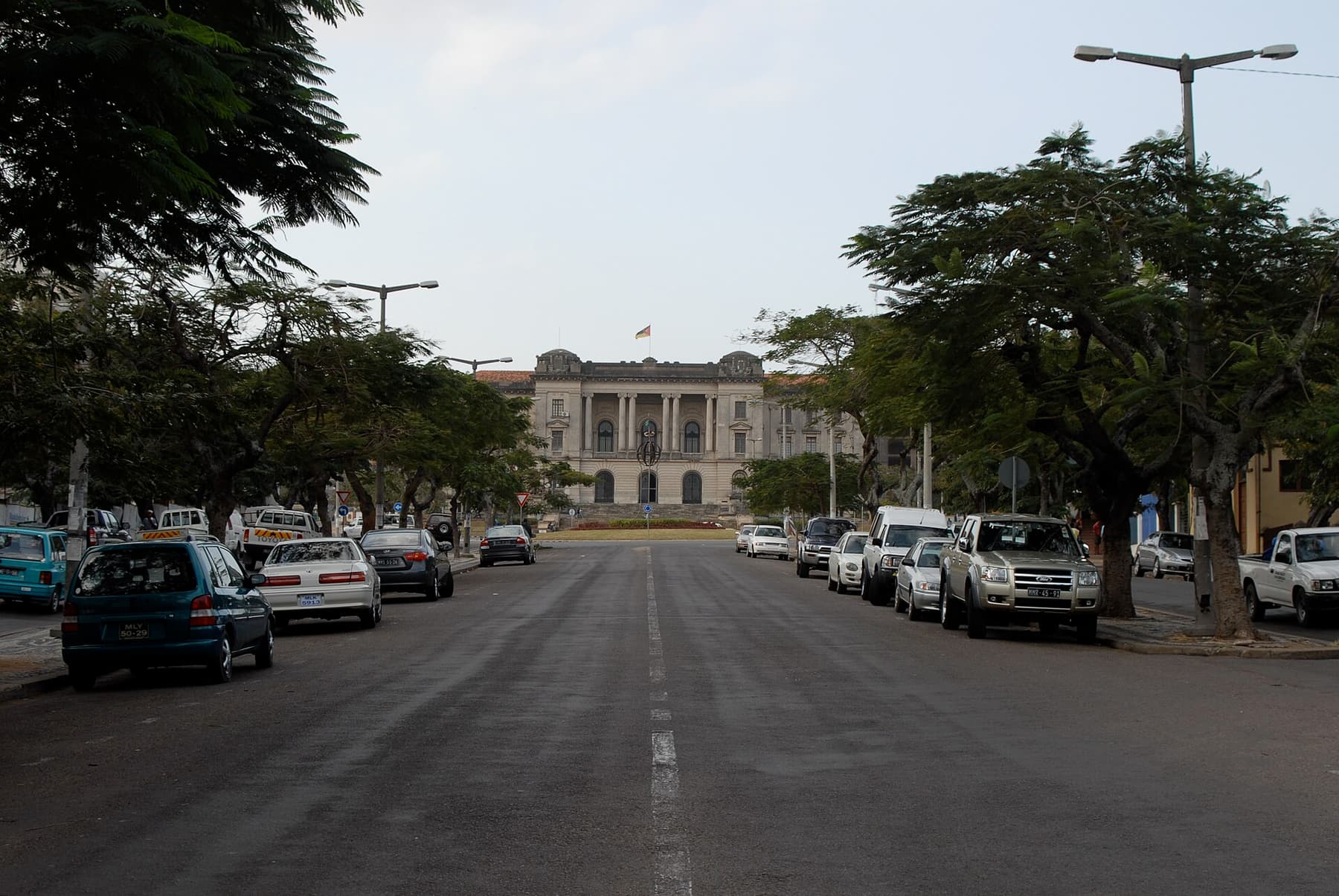
Maputo City
Maputo
Africa's most underrated capital: Art Deco streets, jacaranda avenues, live marrabenta and world-class prawns.
Discover