Culture · 15 July 2026
Capulana: the cloth that carries a country
Clothing, baby carrier, wedding gift, political statement — the printed cloth you will see everywhere in Mozambique.
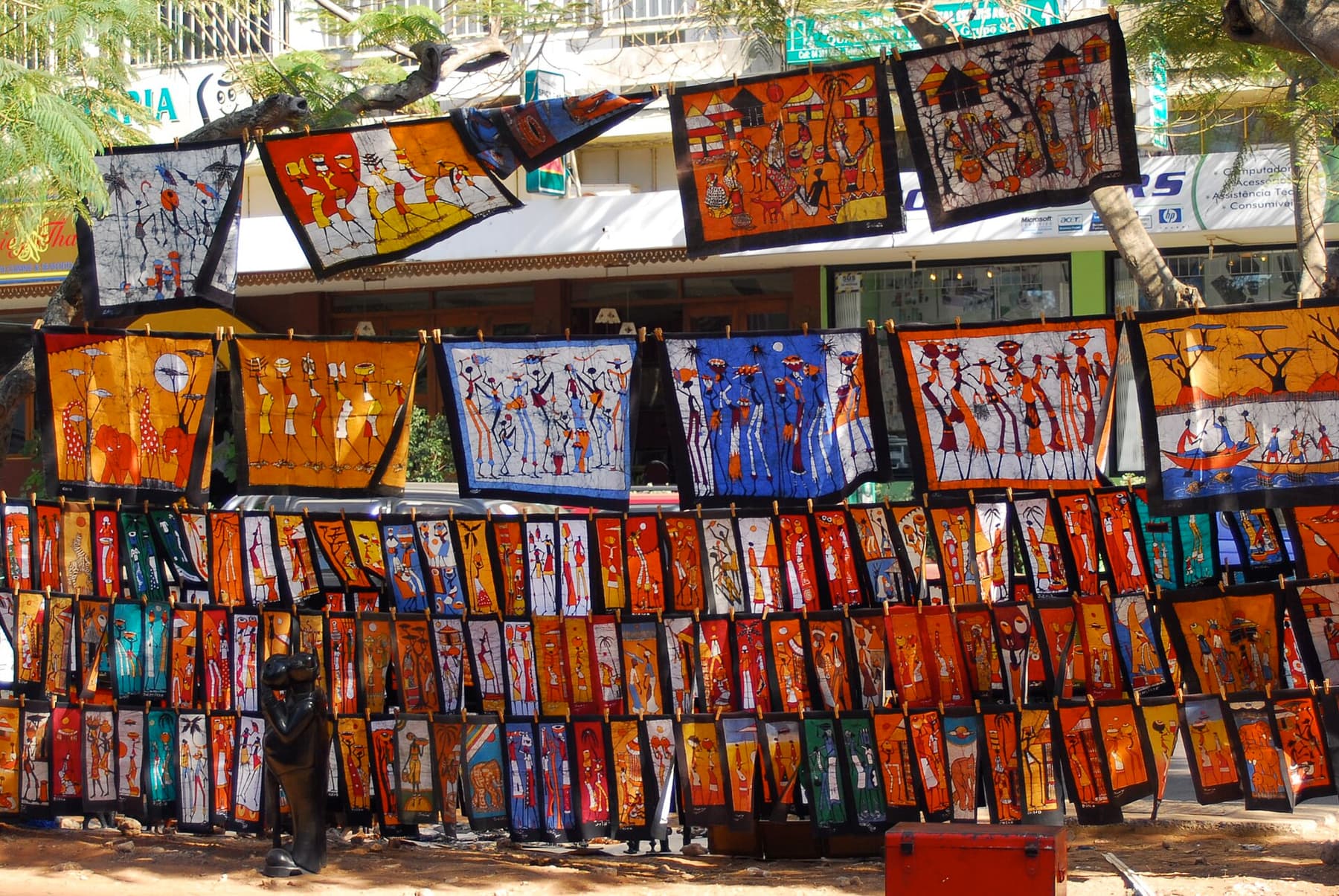
You will notice them within an hour of arriving: rectangles of brightly printed cotton, worn as skirts, tied as headwraps, knotted across backs to carry babies, spread out as picnic blankets, hung as curtains. The capulana is the most visible object in Mozambican daily life.
More than fabric
A capulana is roughly two metres of printed cotton, and it does an extraordinary number of jobs. It is everyday clothing and formal wear. It is how a baby is carried. It is given at weddings, at births and at funerals — in some communities, a stack of capulanas is a required part of the ceremony. Designs commemorate political anniversaries, health campaigns, football victories and religious events, which makes the patterns a running record of what the country has been thinking about.
Regional differences
Patterns and preferred colours vary between provinces, and in the north the related *kanga* traditions of the Swahili coast overlap with capulana use. On Ilha de Moçambique you will also see women wearing mussiro, a white facial paste made from ground tree bark, used as both a cosmetic and a skin treatment.
Buying one
In Maputo, FEIMA in Praça 25 de Junho has tailors working on site who will turn a capulana into a shirt or dress in a day or two. The Mercado Central and Zimpeto market sell the widest range at the lowest prices. In smaller towns, the municipal market is always the place.
Buy from the markets rather than hotel shops: the choice is far better, the money goes further into the local economy, and someone will happily explain what the pattern on the one you are holding actually commemorates.
Stories and guides
Guides
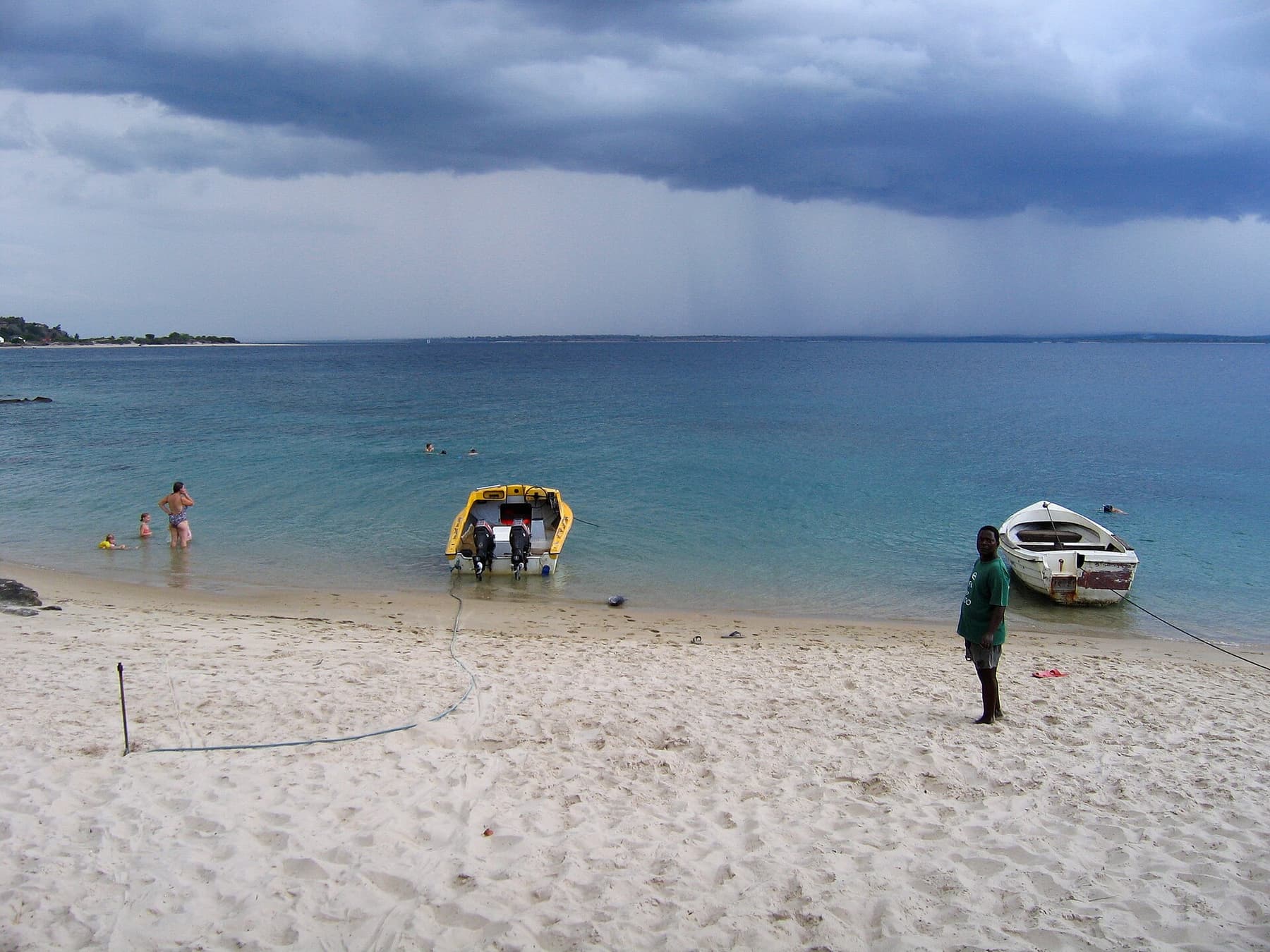
Diving Mozambique: mantas, whale sharks and where to find them
From Ponta do Ouro's sharks to the Quirimbas' walls — a region-by-region look at diving on the Mozambique Channel.
Destinations
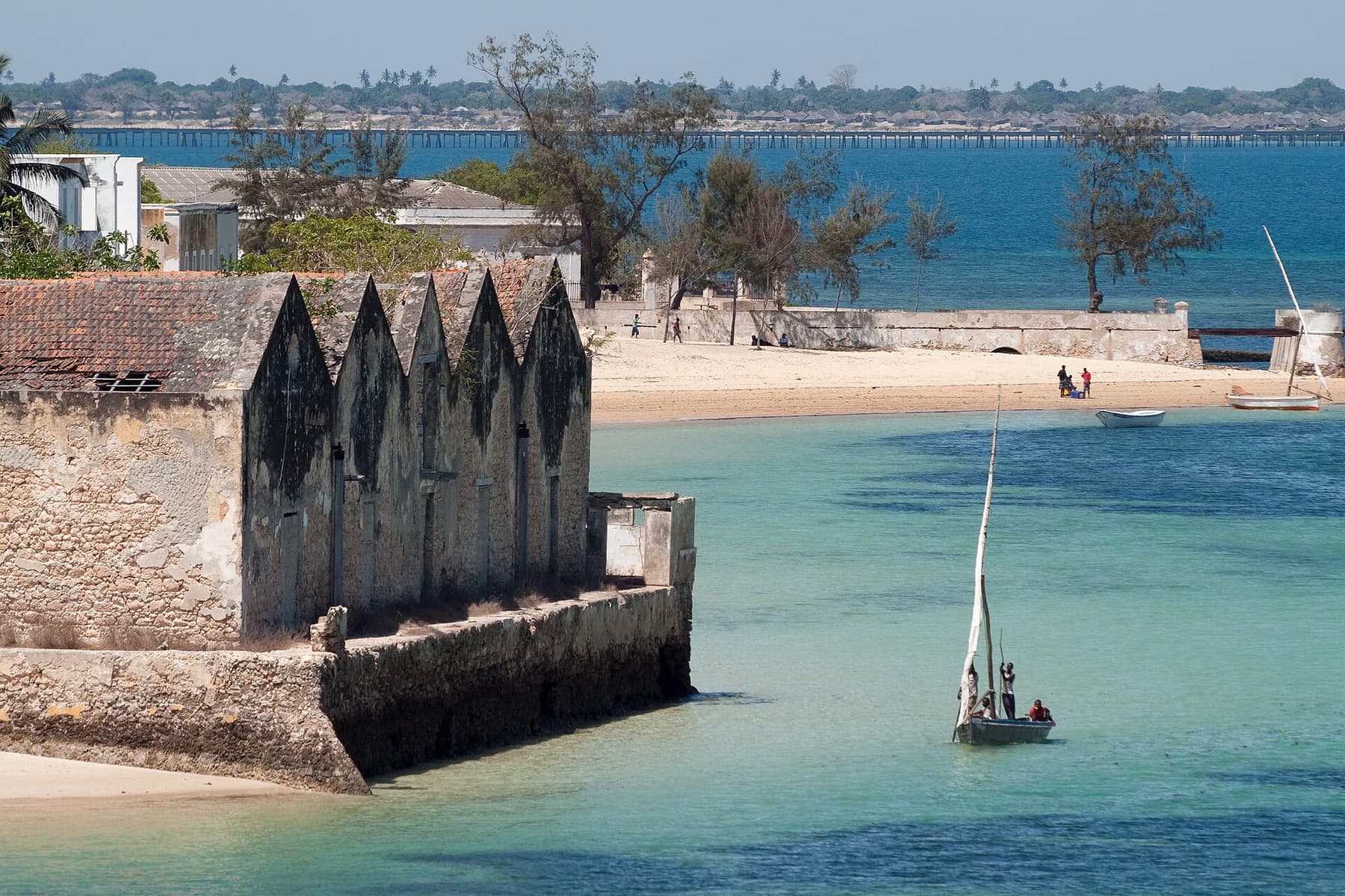
Ilha de Moçambique: a walking guide to the stone town
Three kilometres of island that held the capital of Portuguese East Africa for four centuries — and gave the country its name.
Nature
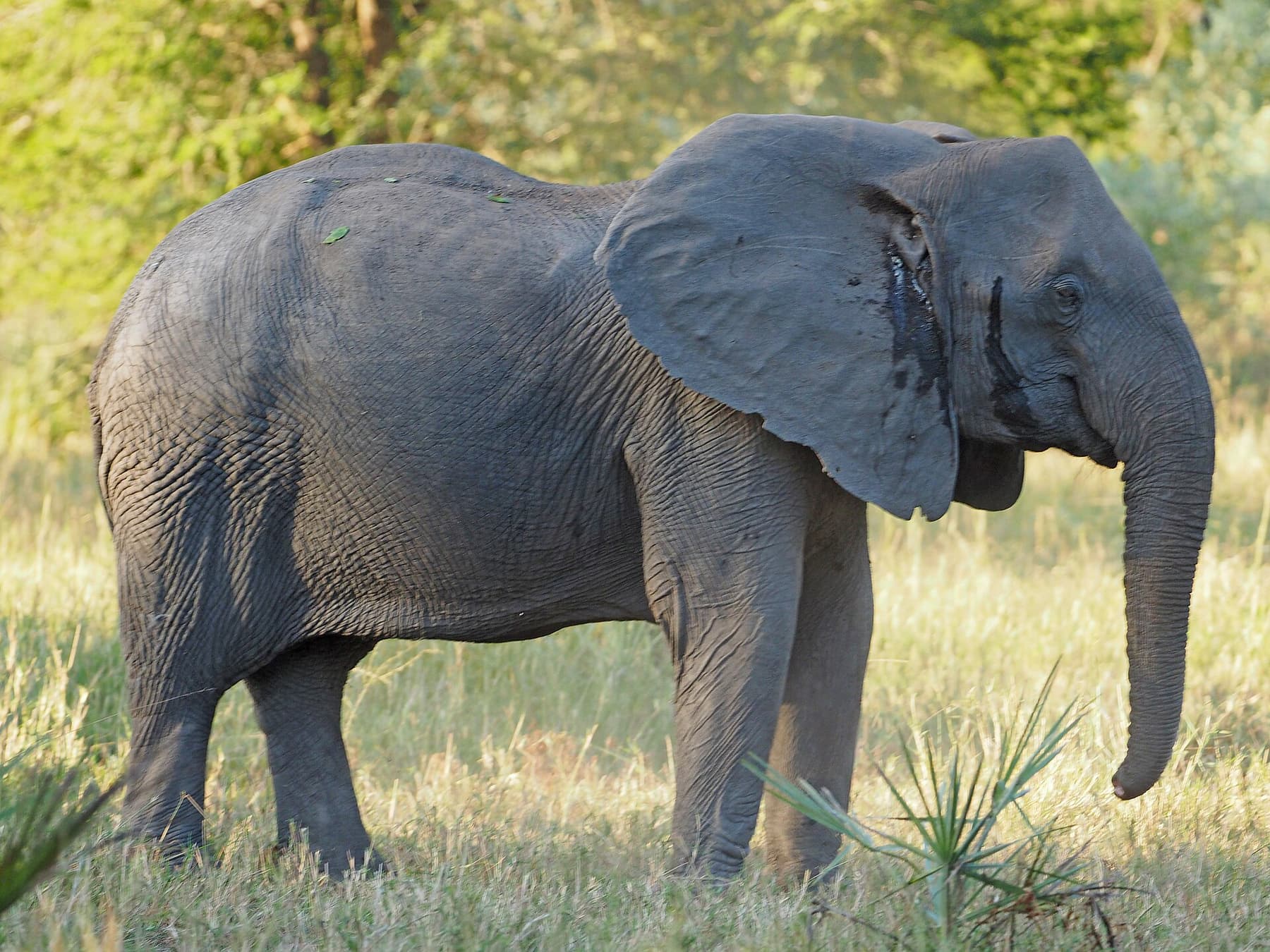
Gorongosa: how a lost park came back
Two decades of restoration have turned Gorongosa into one of the most closely watched conservation projects in Africa.