Nature · 19 May 2026
Gorongosa: how a lost park came back
Two decades of restoration have turned Gorongosa into one of the most closely watched conservation projects in Africa.
At the southern end of the Great Rift Valley, where the floodplain meets fever-tree forest and Mount Gorongosa rises out of the plain, sits a park that was very nearly lost entirely.
What happened
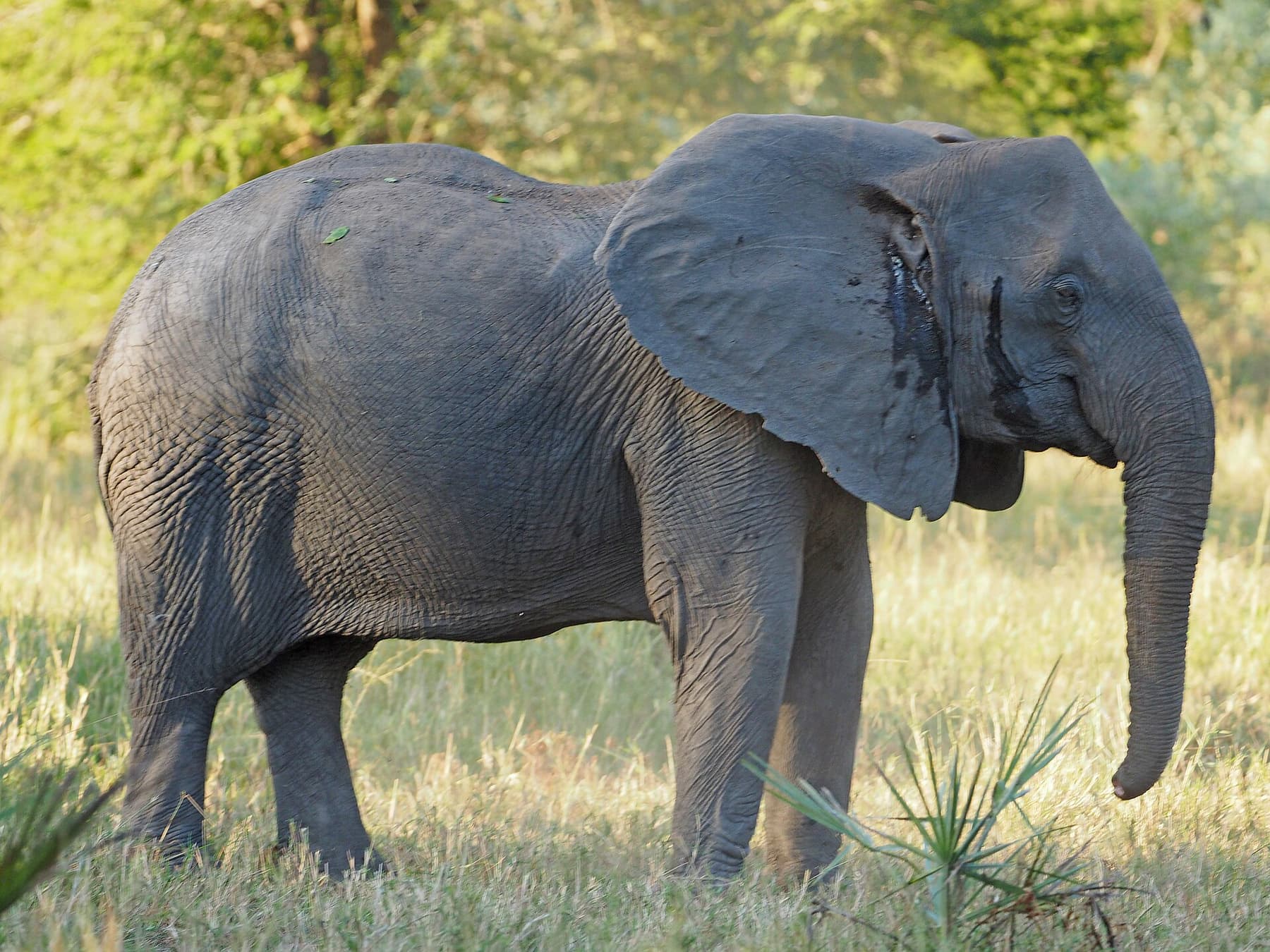
Gorongosa was one of southern Africa's premier wildlife destinations in the 1960s. Mozambique's long civil war changed that: the park sat in contested territory, and by the time the fighting ended the overwhelming majority of its large mammals were gone. Elephant, buffalo, hippo, zebra and predator populations had collapsed.
What changed
Since 2004, a long-term partnership between the Government of Mozambique and the Gorongosa Restoration Project has worked to rebuild the ecosystem. Wildlife numbers have recovered substantially — waterbuck in particular have rebounded dramatically — and species including African wild dog have been reintroduced.
What distinguishes Gorongosa is that the conservation work is inseparable from the human one. The project runs health, education and agriculture programmes across the buffer zone, employs and trains Mozambican scientists at its own research centre, and supports a shade-grown coffee scheme on Mount Gorongosa that funds forest restoration while providing income to farmers.
Visiting
Game drives run from Chitengo camp onto the Rift Valley floor, where the mix of floodplain, palm savanna and forest supports exceptional birdlife alongside the large mammals. Guided walks on Mount Gorongosa reach the Murombodzi waterfall through rainforest, led by guides from the mountain communities.
This is not the Serengeti and it does not pretend to be. Densities are lower, sightings take more patience, and you will often have a road to yourself. What you get instead is the sense of watching something being put back together — and being shown around by the people doing it.
Practical note: the dry season, roughly May to October, offers the best access and game viewing. Book well ahead; capacity is deliberately limited.
Stories and guides
Culture
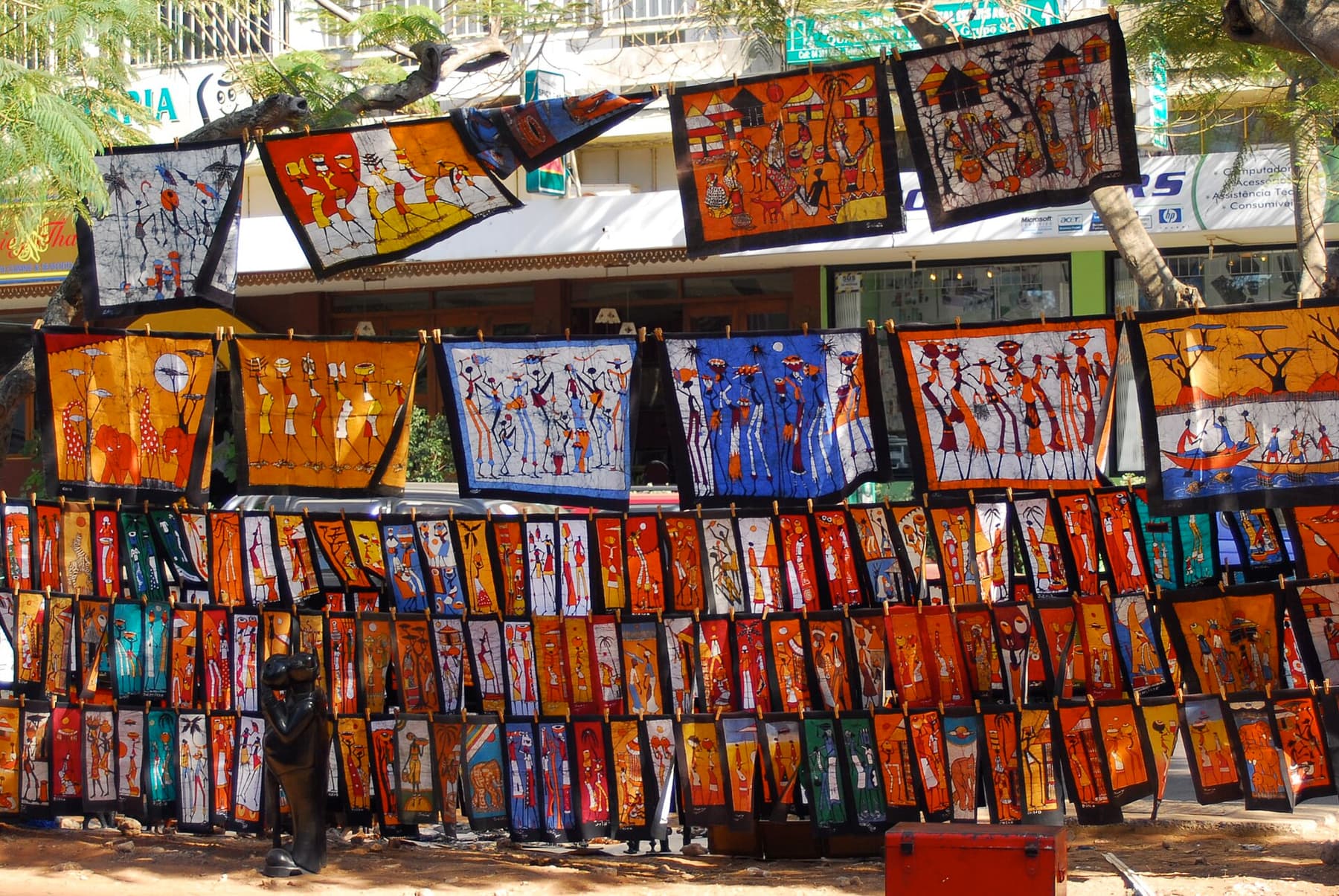
Capulana: the cloth that carries a country
Clothing, baby carrier, wedding gift, political statement — the printed cloth you will see everywhere in Mozambique.
Guides
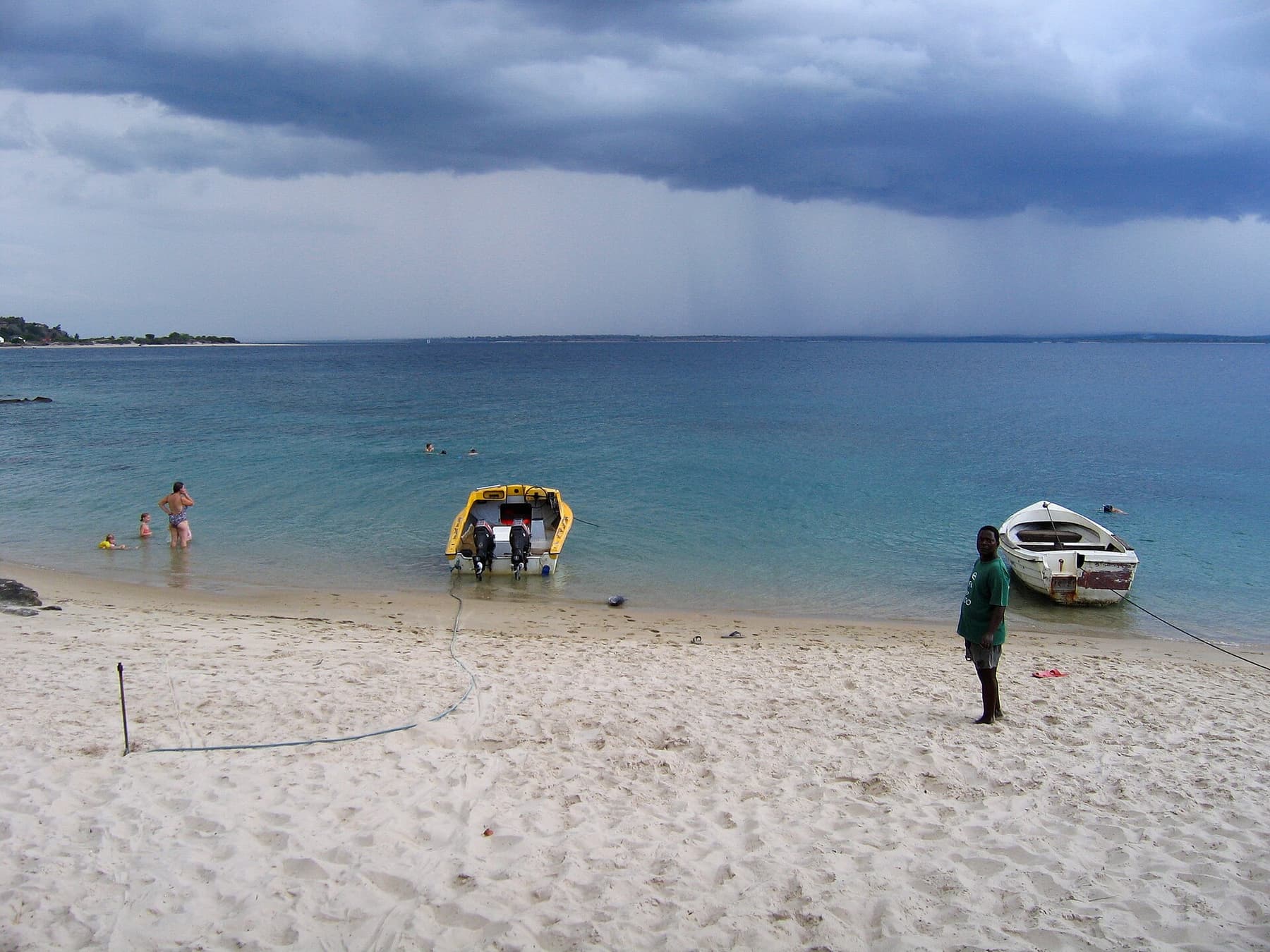
Diving Mozambique: mantas, whale sharks and where to find them
From Ponta do Ouro's sharks to the Quirimbas' walls — a region-by-region look at diving on the Mozambique Channel.
Destinations
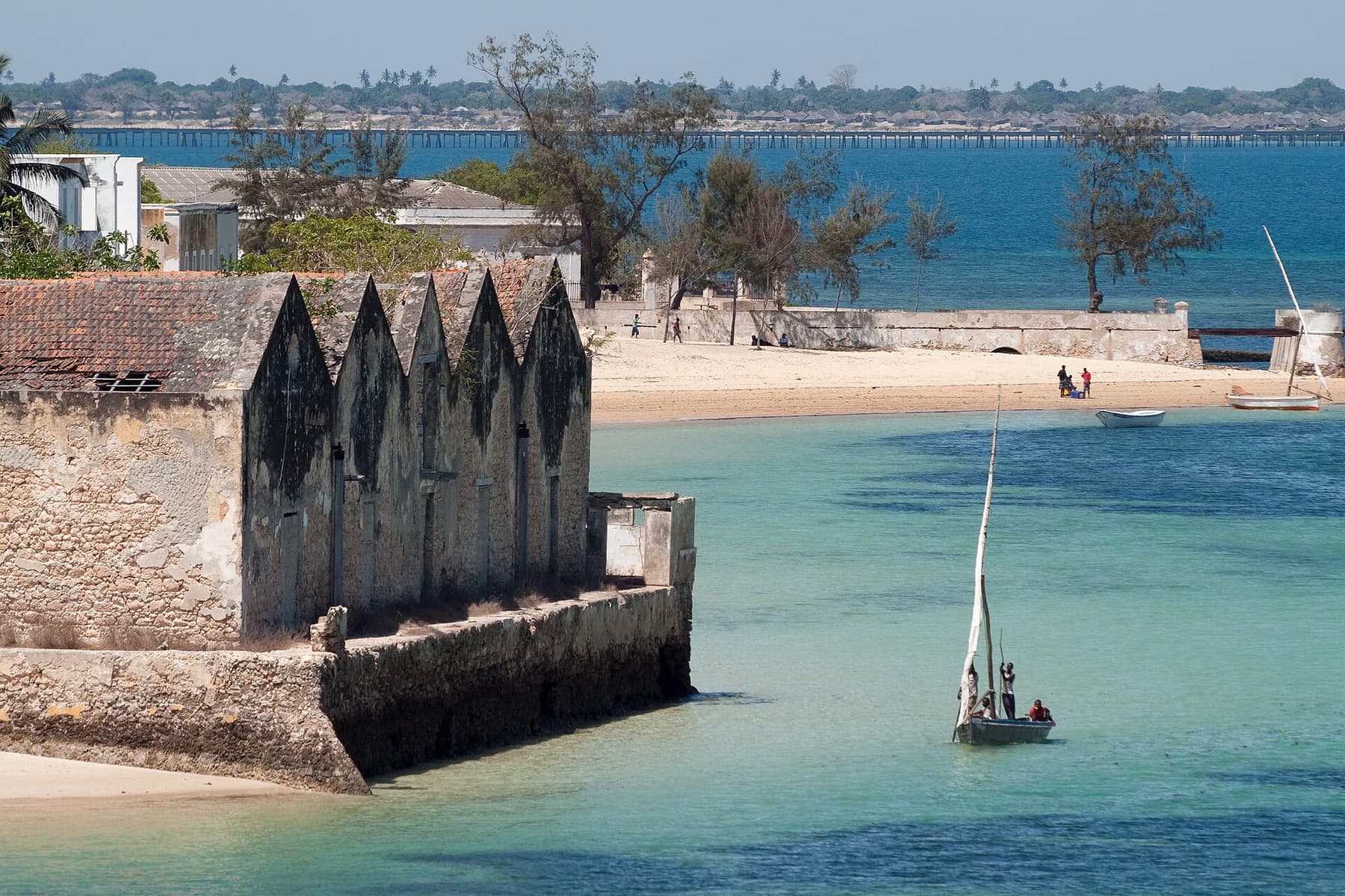
Ilha de Moçambique: a walking guide to the stone town
Three kilometres of island that held the capital of Portuguese East Africa for four centuries — and gave the country its name.