Gastronomy · 11 April 2026
Matapa, piri-piri and the coconut coast: eating in Mozambique
Cassava leaves, peanut, coconut and a chilli that travelled halfway around the world — the dishes that define Mozambican cooking.
Mozambican cooking sits at a crossroads. Bantu staples, Swahili and Arab trade, Indian spice routes and Portuguese colonial habits all left something behind, and the result is one of the most distinctive cuisines on the African continent.
Matapa
The national dish, and the one to try first. Young cassava leaves are pounded and slow-cooked with ground peanut, garlic and coconut milk, usually with prawns or crab folded in. It is served with xima, a firm maize porridge. Every region and every household does it slightly differently.
Piri-piri
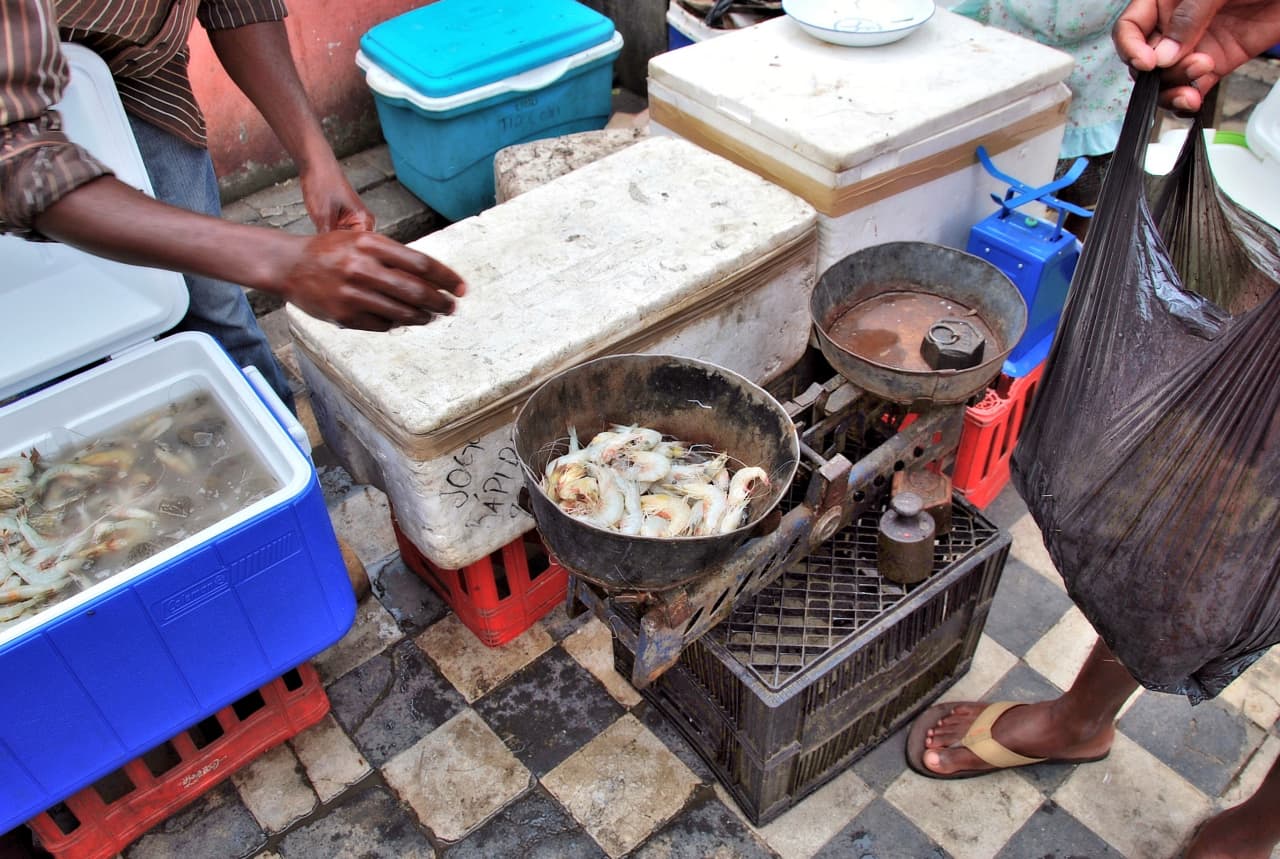
The chilli that made Portuguese-African cooking famous travelled from the Americas to Africa on Portuguese ships, and it has been at the centre of Mozambican grilling ever since. *Frango à Zambeziana* — chicken grilled with piri-piri, garlic, lime and coconut milk — is the version worth seeking out. Prawns get the same treatment, and are what most visitors remember.
Coconut and cashew
The coastal provinces, especially Zambézia and Inhambane, run on coconut. It thickens curries, sweetens rice and turns up in almost every seafood dish. Cashew, once one of the country's biggest exports, is sold roasted and salted at every roadside stop.
The Portuguese layer
Bread, pastries, coffee and *pastéis de nata* are part of daily life, particularly in Maputo and Beira. So is the habit of eating late and lingering.
Where to start
In Maputo, the fish market on the Marginal works on a simple system: buy your seafood from the stalls, then hand it to one of the adjoining kitchens to grill. Agree both prices first. On Ilha de Moçambique, look for octopus salad and coconut crab curry in the stone town's courtyard restaurants. Anywhere on the coast, the phrase you want is *peixe do dia* — fish of the day.
Stories and guides
Culture
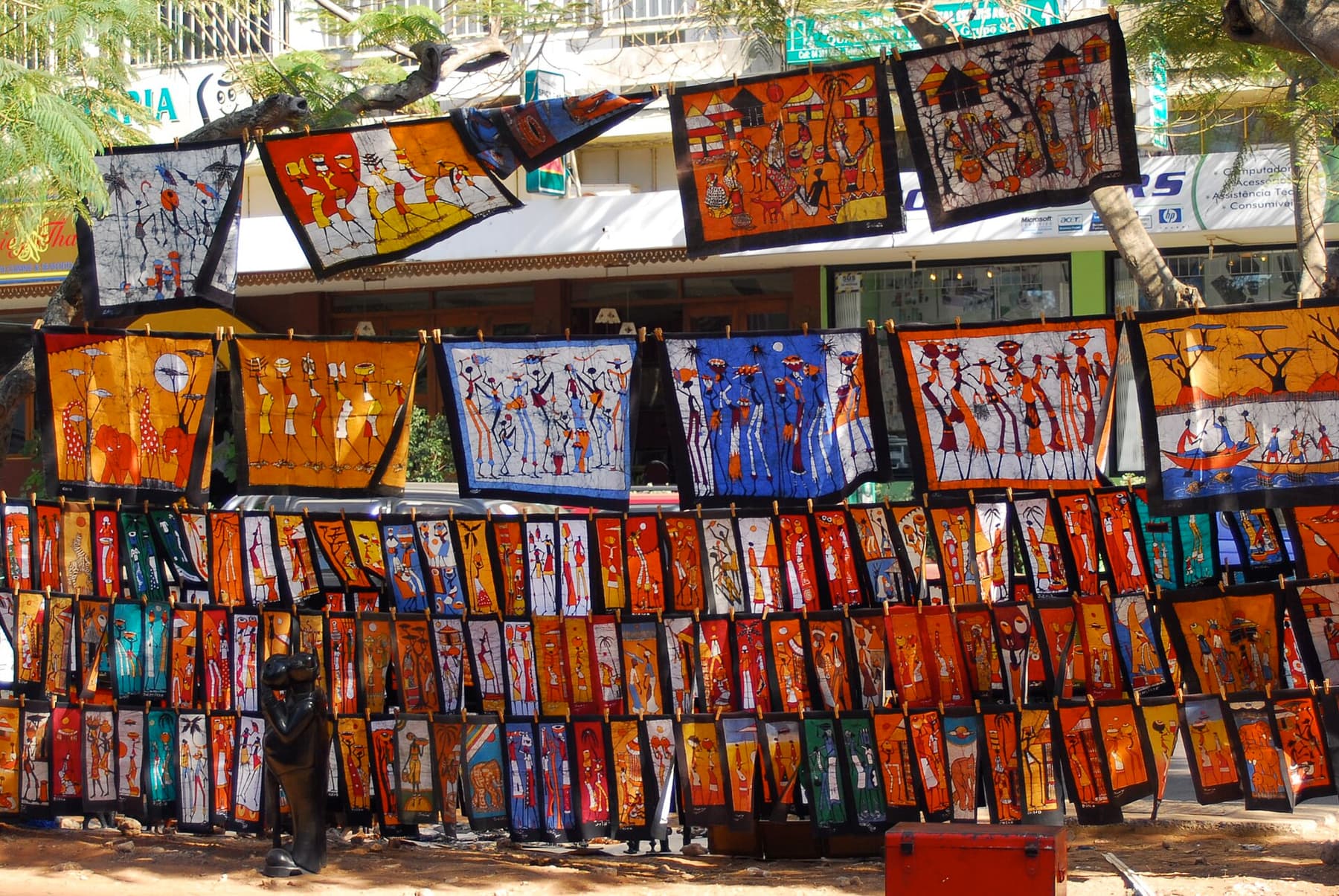
Capulana: the cloth that carries a country
Clothing, baby carrier, wedding gift, political statement — the printed cloth you will see everywhere in Mozambique.
Guides
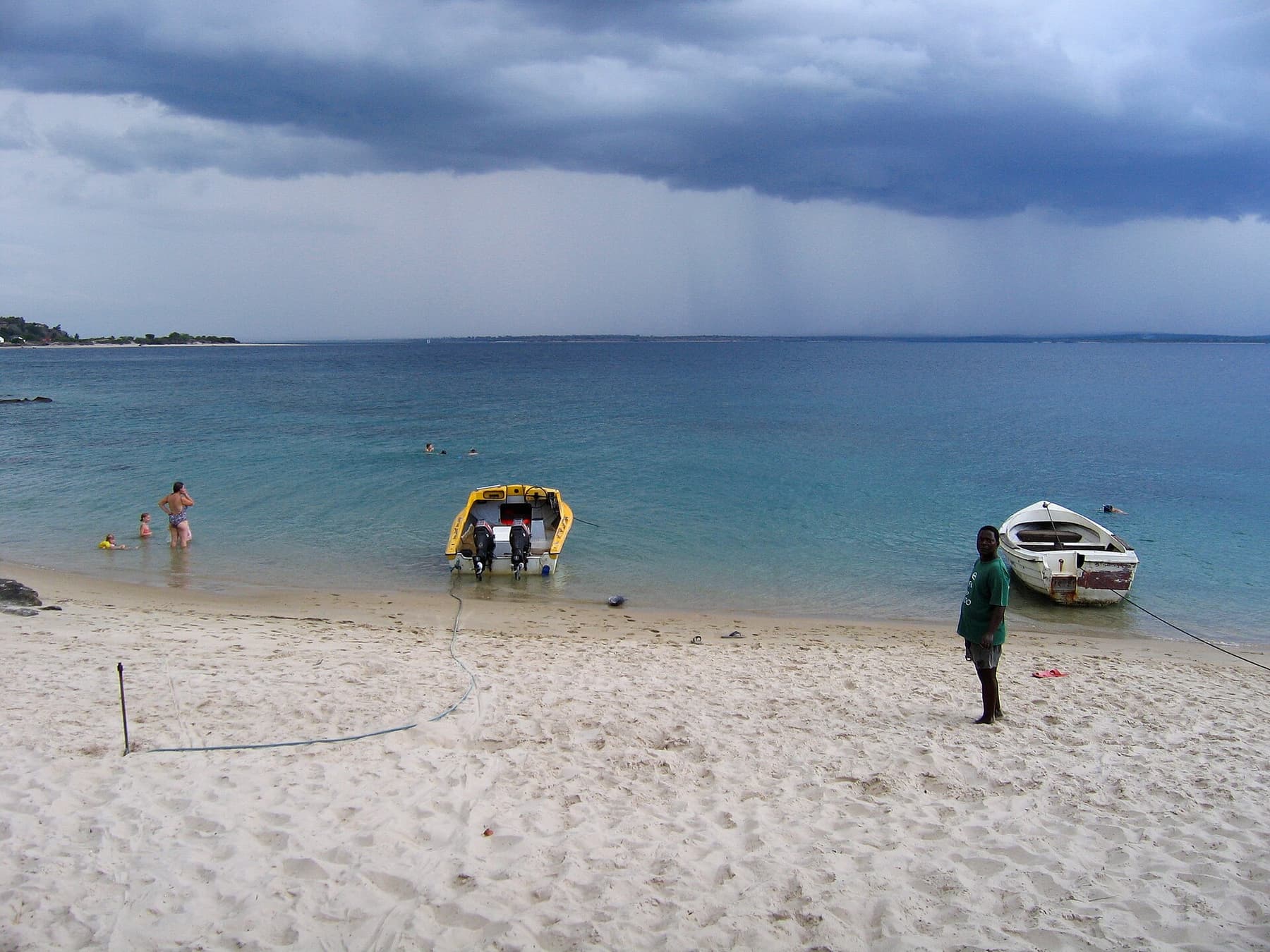
Diving Mozambique: mantas, whale sharks and where to find them
From Ponta do Ouro's sharks to the Quirimbas' walls — a region-by-region look at diving on the Mozambique Channel.
Destinations
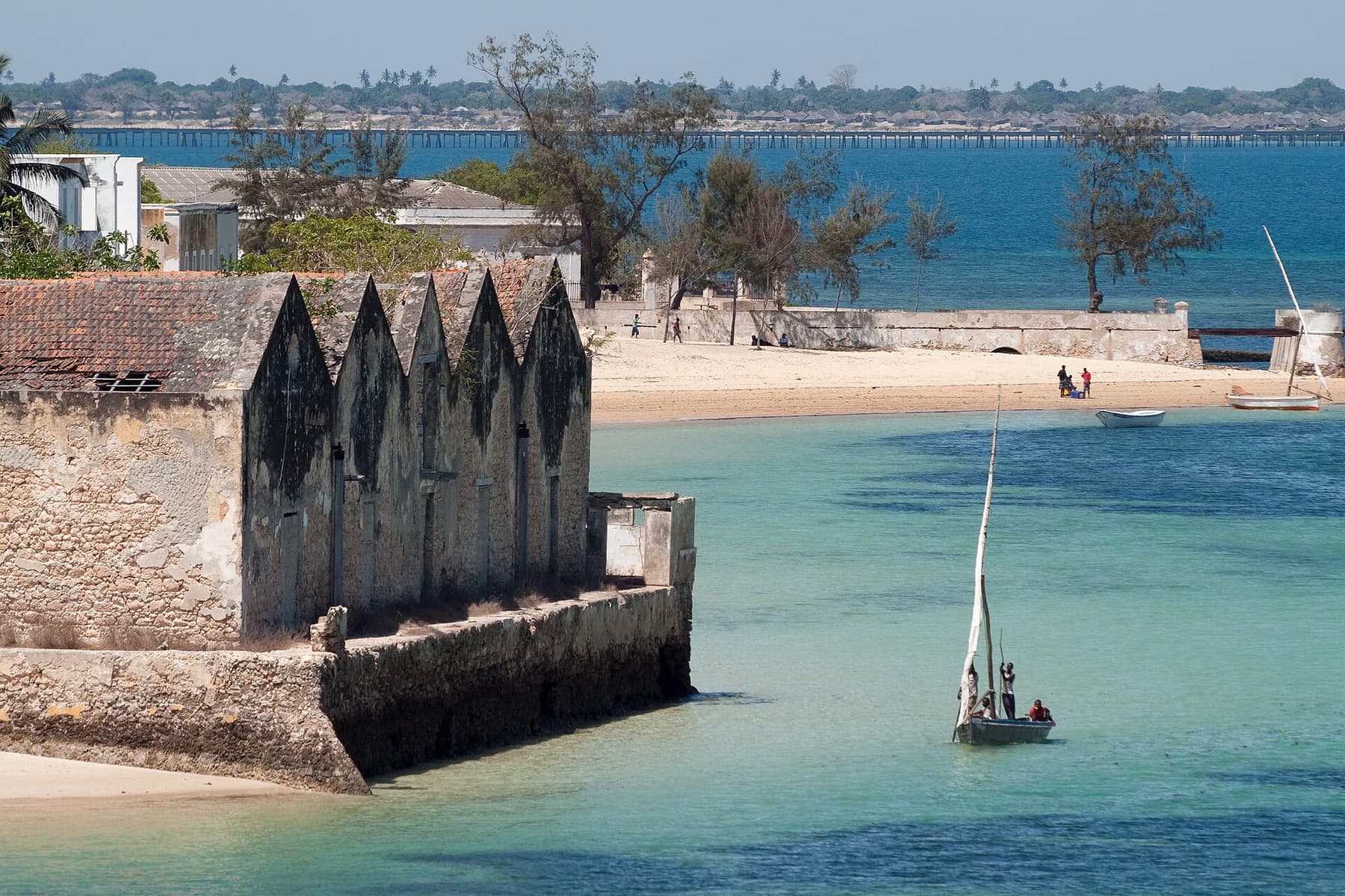
Ilha de Moçambique: a walking guide to the stone town
Three kilometres of island that held the capital of Portuguese East Africa for four centuries — and gave the country its name.